
Klarna at UK Casinos: Which Licensed Sites Actually Take It
 Available in GB
The phrase “casinos that accept Klarna” misleads more than it informs. Most players arrive expecting Pay Later, the product Klarna built its name on. They leave discovering that the only Klarna rail a UK casino can legally expose is Pay Now, the instant open-banking transfer, and that the credit products the brand is famous for are barred from gambling altogether by both Klarna’s own policy and the UK Gambling Commission’s credit ban. The page below starts from that gap, explains what a Klarna casino actually is in the UK, ranks the ten UKGC-licensed operators where the rail works (or where it might not), and runs the arithmetic on what their welcome bonuses actually cost once the 10× wagering cap lands.
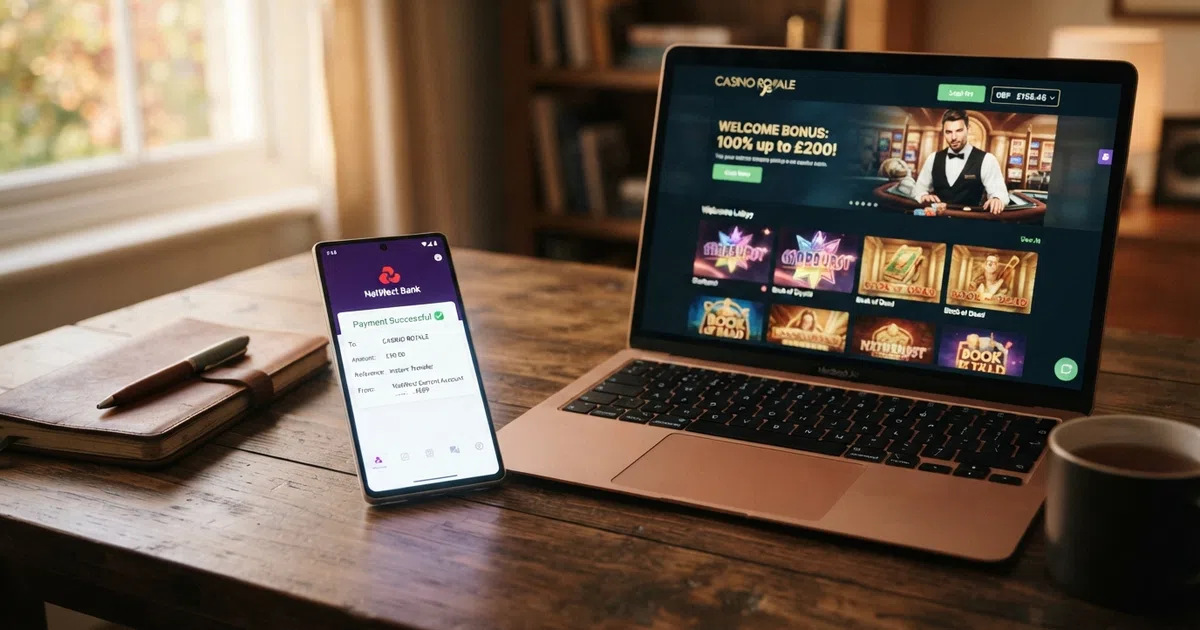
Data current as of September 8, 2026 and verified against the UK Gambling Commission public register (last updated 29 July 2026).
What Klarna Casinos Actually Are — And What They Aren’t
A Klarna casino, in the strict UK sense, is a UKGC-licensed online operator that has wired Klarna’s Pay Now product into its cashier. Pay Now is an immediate bank-to-bank transfer, the same kind of instant deposit that Trustly, TrueLayer, and the wider open-banking ecosystem have been pushing since 2018. Klarna positions the product as a faster, card-free alternative to entering debit card details, and the deposit completes in seconds once the player authenticates at their bank. The player never sees a card form, never types a 16-digit number, and never hands card data to the casino.
What a Klarna casino is not, despite the brand’s broader reputation, is a place to use Pay Later. Buy Now Pay Later, Pay in 3, Pay in 30 days, the spread-the-cost products that made Klarna a household name in fashion and homeware, are categorically unavailable for gambling in the UK. Two reasons stack up. First, the UK Gambling Commission’s credit card ban, in force since 14 April 2020 under licence condition 6.1.2, prohibits licensees from accepting any form of credit for gambling, and that ban extends to credit-funded payments routed through third parties. Second, Klarna’s own policy is explicit: gambling transactions are declined, and from 15 July 2026 the BNPL products come under FCA regulation as Deferred Payment Credit, which sharpens rather than softens the barrier. The Klarna Card sits in the same excluded column: gambling merchants are declined at the card level.
The directory of UKGC-licensed casinos that accept Klarna is therefore not a list of credit-friendly gambling sites. It is a list of sites that have integrated a single open-banking deposit rail, the same rail a growing number of UK operators expose under the Trustly, TrueLayer, or Instant Bank Transfer label. The wider UK market data makes the scale plain: online gross gambling yield reached £1.55 billion in the first quarter of 2026, up 7% year-on-year, with slots driving the growth at 12%.
How Klarna and UK Casinos Work Together
Klarna sits between the player’s bank and the casino cashier. When a player picks Klarna at deposit, the casino’s cashier hands the transaction over to Klarna, which initiates an open-banking redirect to the player’s bank. The player authenticates the payment inside their banking app, the funds move instantly, and the casino credits the account in seconds. The technical pattern is identical to the flow Trustly, TrueLayer, and the modern generation of instant bank-transfer providers have been running for half a decade.
Operators add Klarna to the cashier for three reasons. It cuts the card-processing cost on every deposit. It sidesteps a slice of the fraud and chargeback exposure that card rails carry. And it reaches a customer segment that has a Klarna account already and prefers not to type card numbers into a gambling site. The player-side benefit mirrors the operator-side one: instant funding, no card data shared with the casino, no manual bank-transfer delay.
What the integration does not change is the credit status. The deposit clears as a bank transfer, not a credit extension, and the casino’s bonus terms treat it the same way they treat any other non-excluded deposit method, subject to the specific operator’s qualifying-method list. At Betway, the welcome bonus requires a debit-card deposit; at LeoVegas, debit card or Open Banking; at Ladbrokes, Visa/Mastercard debit, Apple Pay, or Google Pay. The qualifying-method list is a per-operator decision, and Klarna is not always on it.
The Klarna Casino Landscape in 2026
The current shape of the market reflects two regulatory pivots. The FCA’s regulation of BNPL from 15 July 2026 closes off any reading of Pay Later as a borderline product. And the UKGC’s credit ban, which the Commission has long interpreted as extending to deferred-payment credit, has now been mirrored by Klarna’s own explicit gambling block across Pay Later, the Klarna Card, and SOFORT-rail bank transfers. The net result is a tighter, more honest market: the casinos that accept Klarna in the UK are the casinos that have wired up the Pay Now rail, and the player who arrives expecting credit is redirected to a debit-only flow.
BNPL regulation tightens the wire on the deposit side. It also reshapes the operator landscape, because new entrants must now assess whether Klarna’s regulated-BNPL sister products create any residual risk of being miscategorised for gambling. The cleanest read is that they do not, since the gambling exclusion sits at the merchant-category and policy level and is unaffected by the FCA’s DPC designation. That is the reading most major UK operators have settled on, and it is why the Klarna deposit button remains in the cashier at several of them.
Why Your Klarna Casino Deposit Is Instant — But Your Withdrawal Isn’t
The deposit half of the Klarna story is the easy half. Pay Now clears in seconds, the funds land in the casino balance, and the player moves to the lobby. The withdrawal half is the part that surprises. Klarna is a deposit rail, not a payout rail at most UK casinos, and the cashout takes a different route: standard bank transfer, 1–5 business days, into the account the deposit came from. A small handful of operators have started to offer Klarna-powered withdrawals, but that is the exception, not the norm, and the dominant experience for the player is a multi-day wait on winnings that took seconds to fund.
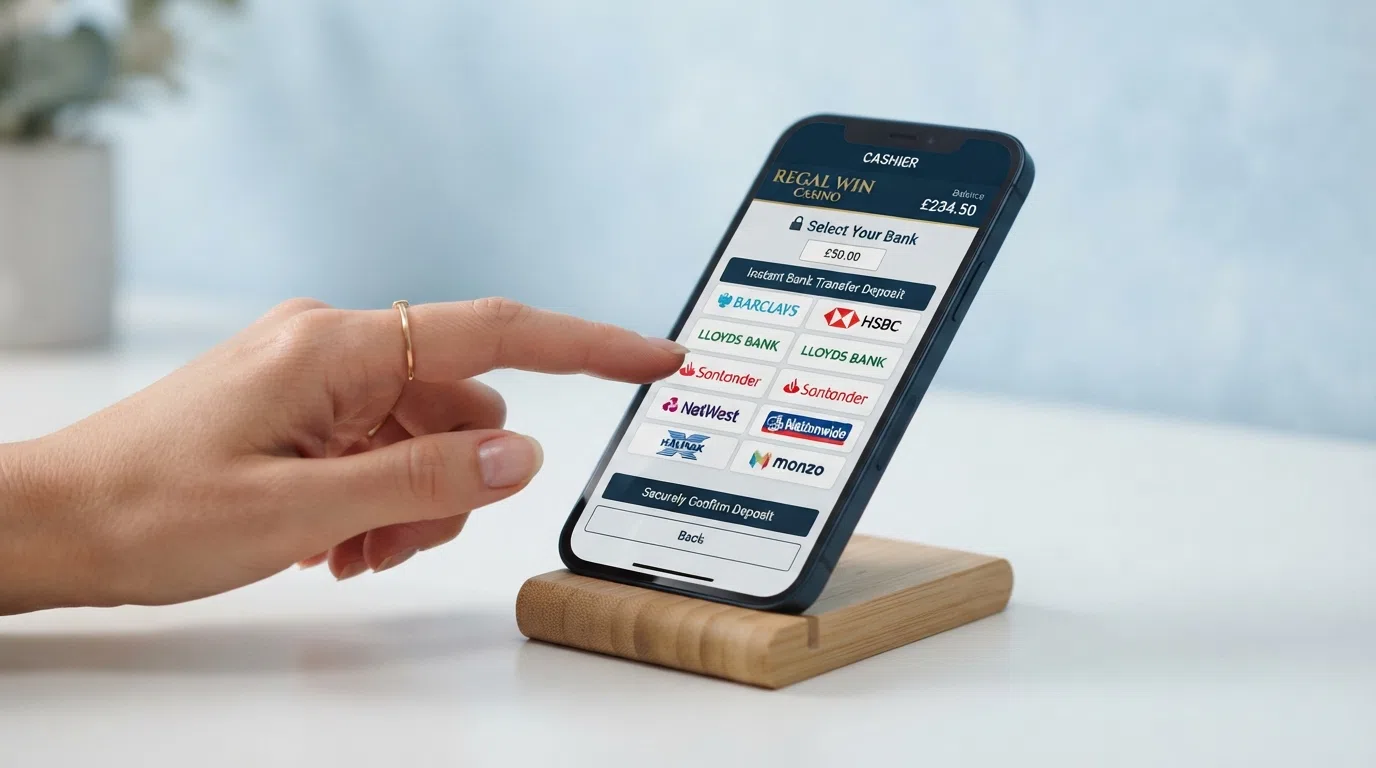
The asymmetry is structural. Klarna’s Pay Now is a push payment, designed to move money from the player to the merchant. A casino withdrawal is a pull payment, and pulling funds back through Klarna requires a separate integration that most operators have not built. The standard pattern in the UK is for a casino to push the payout back via Faster Payments or BACS to the originating bank account, which means the player waits the standard 1–5 business day window regardless of which deposit method they used.
Depositing with Klarna’s Pay Now — the Step-by-Step
- Open the casino cashier and pick Klarna from the deposit methods.
- Enter the deposit amount (minimums are operator-set; most featured operators set £10, Betfair £5).
- Klarna’s redirect opens your bank’s authentication screen, either in-app or via your bank’s website.
- Confirm the payment inside your banking app using your usual method (fingerprint, face ID, PIN).
- The casino credits your balance instantly; the deposit shows on your bank statement as a Klarna entry, never a card transaction.
The flow runs identically on desktop and mobile, since Klarna’s bank redirect works inside any modern browser. There is no app to install on the casino side, no separate Klarna account required to deposit (though having one lets you see the transaction in Klarna’s app), and no fee charged to the player. The cost of the deposit sits with the operator, and almost every UK casino absorbs it.
One important boundary. SOFERT, the Klarna-owned rail that powers Pay Now in several European markets, respects a player’s existing bank-level gambling block. If a player has set a gambling block with their bank, Klarna cannot route around it. That is a feature, not a limitation: it means the player’s own self-exclusion settings travel with them regardless of which Klarna-accepting casino they try.
What You Cannot Do — BNPL, the Klarna Card and the Credit Ban
The products the public associates with Klarna are precisely the products UK casinos cannot take. Pay Later, Pay in 3, and Pay in 30 days are credit products, the Gambling Commission’s credit card ban has long been read to extend to them, and Klarna’s own policy bars gambling merchants from the BNPL flow. The Klarna Card, a Visa debit card issued by Klarna, is also declined at gambling merchants; the card’s terms of use treat gambling as an excluded category. The legal basis sits in the Gambling Commission’s licence conditions and codes of practice, which prohibit licensees from accepting credit and prohibit credit-card-funded payments even when those payments route through e-wallets or money-service businesses.
The position has hardened over time. From 15 July 2026, the FCA regulates BNPL products as Deferred Payment Credit, and Klarna Financial Services UK Limited holds FCA authorisation (FRN 987889). The FCA designation does not change the gambling status: if anything, it confirms the credit classification that the UKGC’s existing ban was already predicated on. The Commission’s reading, that BNPL is fundamentally incompatible with responsible-gambling objectives and could breach Social Responsibility Code Provision 3.7.1, is now backed by a parallel regulator’s view that the products are credit.
The practical upshot for the player is that any site advertising “Klarna Pay Later casino” or “Klarna credit casino UK” is either misrepresenting the integration or operating outside the UKGC’s perimeter. The legitimate UK Klarna casino is a Pay Now casino, no exceptions.
Withdrawals — Why Your Cashout Goes to Your Bank, Not Klarna
The withdrawal gap is the single most common surprise for new Klarna casino users. The deposit cleared in seconds, the slot did its job, the win sits in the balance, and then the withdrawal request bounces back via standard bank transfer rather than back into the Klarna app. The reason is partly commercial and partly structural: Klarna’s product set is built around push payments, and most UK operators have not built a pull-payment integration for it.
For the player, the workflow looks like this: request a withdrawal from the casino cashier, see the destination as the bank account the deposit came from, wait 1–5 business days for the funds to land. The wait window is the standard UKGC-licensed timeline; Faster Payments, where supported, can land the same day or next working day, but the operator’s stated window is 1–5 business days.
A handful of operators have started offering Klarna-powered withdrawals as an exception. The integration exists, and where it is offered, the player sees Klarna as a withdrawal option. For now, the dominant experience is bank transfer, and the player who chooses Klarna for the deposit should expect the cashout to take the slower rail.
Klarna Alternatives for UK Casino Deposits
Klarna is one of several instant-deposit options at UK casinos, and the choice between them is often a choice between the bonus terms the operator attaches to each method. The major alternatives and their bonus-eligibility quirks across the featured set:
Debit card is the universal fallback. Every featured operator accepts it, and at Betway and LeoVegas it is the only method that qualifies for the welcome bonus, with the LeoVegas offer explicitly excluding PayPal and Ladbrokes restricting qualifying deposits to Visa/Mastercard debit, Apple Pay, or Google Pay. PayPal is widely accepted for deposits but carries bonus-exclusion clauses at several featured operators, and where it does qualify the minimum deposit is sometimes higher (Betfair £30 for PayPal versus £5 for most other methods).
Trustly is the closest sibling to Klarna’s Pay Now, since both use open-banking rails to clear deposits instantly from the player’s bank account. Apple Pay and Google Pay are mobile-native and widely accepted, though Sky Vegas lists only debit card and Apple Pay, and Ladbrokes counts Apple Pay and Google Pay among its bonus-qualifying methods. Paysafecard is a prepaid voucher that some operators accept for deposits but Ladbrokes and William Hill exclude from bonus qualification.
For the player, the question is not which method is fastest (all of the above are instant at deposit) but which one qualifies for the welcome bonus and carries no fee. Klarna answers both for the operators that have integrated it; where Klarna is not in the cashier, debit card is the default pick, and Apple Pay is the mobile-first alternative.
Fees, Limits and Minimum Deposits
Klarna charges no user fee for a casino deposit. The merchant fee sits with the operator, and almost every UK casino absorbs it rather than passing it on. The player never sees a deposit fee, a Klarna surcharge, or a percentage deduction on the way in. The only fee-like cost is the currency conversion fee if the player’s bank account is held in a non-sterling currency, and that is the bank’s charge, not Klarna’s.
Minimum deposits are operator-set rather than Klarna-set. Most featured operators set £10 as the floor, which is the level at Videoslots, LeoVegas, PlayOJO, Betway, and William Hill. Betfair sets the floor lower at £5 for most methods. Ladbrokes’ minimum is £5 except for PayPal at £10. The maximum per transaction is constrained by Faster Payments limits at the bank end rather than by Klarna, and most UK banks cap single payments at £10,000–£25,000.
One operator-side prompt that affects every UKGC-licensed casino: from 31 October 2025, operators must prompt the customer to set a financial deposit limit before the first deposit. The prompt offers a gross deposit limit with at least equal prominence to a net deposit limit, and the limit chosen is enforceable across all subsequent deposits until the player changes it (decrease immediate, increase subject to a delay period under RTS 12). The prompt is mandatory; the level is the player’s choice.
UK Casino Sites That Accept Klarna: The 2026 Honest Comparison
| Casino | Klarna Accepted | Welcome Bonus | Free Spins | Wagering | Bonus Validity |
|---|---|---|---|---|---|
| Videoslots | Yes | 100% up to £50 | 11 wager-free on Starburst | 10× on cash bonus | 60 days |
| Betway | Yes | 100% up to £50 | 150 (50/day, 3 days) on £20 stake | 10× on match; 0× on FS winnings | 7 days |
| LeoVegas | Yes | 50 wager-free spins on Big Bass Splash | 50 (£0.10 each, £5 total) | 0× on spins | 3 days |
| PlayOJO | Yes | 80 free spins on Big Bass Bonanza | 80 (£0.10 each) | 0× (no wagering ever) | 3 days |
| Sky Vegas | Not confirmed | 50 no-deposit spins + 200 on deposit | 250 total | 0× on deposit spins | 7 days |
| 888casino | Not confirmed | 100% up to £100 | — | 10× on selected slots | 90 days |
| Betfair | Yes | 50 free spins on Jackpot King games | 50 | — | — |
| Ladbrokes | Not confirmed | Play £10 Get 100 no-wagering spins | 100 (£0.10 each) | 0× on spins | 7 days |
| William Hill | Not confirmed | 200 spins on Big Bass Splash | 200 (£0.10 each) | 10× on winnings | 72h spins |
| Coral | Not confirmed | Bet £10 Get 100 free spins | 100 (split across slots) | 10× | 30 days |
The split between confirmed and unconfirmed is the table’s most important cell. Four operators (Videoslots, Betway, LeoVegas, PlayOJO) have Klarna confirmed in the cashier via the Pay Now or Open Banking rail. Betfair is also confirmed via Instant Bank Transfer at a £5 minimum. Five operators (Sky Vegas, 888casino, Ladbrokes, William Hill, Coral) have not been confirmed from available payment-method data, and the player should treat the “Klarna accepted” cell as unverified until they check the cashier themselves. The UKGC’s public register, 2,663 records, last updated 29 July 2026, confirms the licence but cannot speak to the payment-method list; the cashier is the source of truth.
Wagering terms sit inside the 10× cap that has applied to every UKGC-licensed welcome bonus since 19 December 2025. The cap is a ceiling rather than a floor: the lowest wagering in the featured set is 0× on free-spin winnings at PlayOJO, LeoVegas, Ladbrokes, and Sky Vegas’s deposit-triggered spins, and the highest is 10× on cash bonuses at Videoslots, Betway, 888casino, William Hill, and Coral. The 10× cap has compressed the spread dramatically; pre-2025 norms of 35× and 40× are now off-limits.
Videoslots — 11 Wager-Free Spins and Klarna Confirmed
Videoslots leads the table on a combination of confirmed Klarna acceptance and the cleanest welcome-bonus structure in the set. New players get 11 wager-free spins on Starburst with the first deposit, plus a 100% match up to £50 if they want a cash bonus on top, with 10× wagering and a 60-day validity window. The 60-day window is generous: most of the set runs 7 days, and Videoslots gives the player nearly two months to clear the bonus. The minimum deposit is £10, and the cashier lists Klarna alongside debit card, PayPal, Apple Pay, Google Pay, Trustly, and Paysafecard, so the player is not locked into a single rail.
The game-provider selection is one of the widest in the UK market, and the operator’s broader library is its main draw beyond the welcome offer. For a player who wants Klarna confirmed at the cashier and the time to clear a small match bonus without rushing, Videoslots is a robust, well-rounded option.
Betway — 150 Free Spins or £50 Match with Klarna Deposit
Betway runs a dual-track welcome: a 100% match up to £50 on a £10+ deposit, or 150 free spins (50 a day for three days) on a £20 stake, with the choice made at opt-in. The free spins carry no wagering on winnings, the match bonus carries 10× wagering, and the validity window is the tightest in the set at 7 days. Klarna is confirmed at the cashier via the Instant Bank Transfer rail, though the welcome bonus itself requires a debit-card deposit to qualify, which means the Klarna deposit is the funding rail but not the bonus-qualifying one. The player who wants the bonus and the Klarna flow has to use Klarna for the top-up and a debit card for the qualifying deposit.
Betway’s game library leans on Microgaming and a handful of other major providers, and the operator’s broader sportsbook integration is the secondary draw. For a player prioritising the largest free-spin package in the set and willing to fund the qualifying deposit with a debit card, Betway is a strong contender.
LeoVegas — 50 Wager-Free Spins with Open-Banking Deposit
LeoVegas’ welcome is a wager-free spin package rather than a match bonus: 50 spins on Big Bass Splash at £0.10 each, £5 total value, no wagering, 3-day expiry after credit. The bonus requires a debit card or Open Banking deposit, and PayPal is explicitly excluded. The Open Banking qualifier is the interesting cell: LeoVegas uses TrueLayer to power the rail, and TrueLayer sits in the same open-banking category as Klarna’s Pay Now, so a player depositing via Klarna’s Pay Now at LeoVegas is effectively depositing via the same underlying infrastructure.
For the player who wants zero wagering and an open-banking deposit rail, LeoVegas’ offer is the cleanest match. The 3-day spin expiry is the trade-off; missing the window forfeits the spins, and the £5 total value is modest against Betway’s 150-spin alternative.
PlayOJO — 80 No-Wagering Spins, Klarna Accepted
PlayOJO’s signature is the no-wagering-ever policy, which has been the operator’s pitch since launch and remains the differentiator in the post-10×-cap market. New players get 80 free spins on Big Bass Bonanza at £0.10 each, no wagering, all winnings paid in cash. Spins expire 3 days after credit, the minimum deposit is £10, and Klarna is confirmed at the cashier via the Instant Bank rail.
Minimum Deposit and Payment Methods
| Casino | Minimum Deposit | Payment Method Notes |
|---|---|---|
| Videoslots | £10 | Debit, PayPal, Apple Pay, Google Pay, Trustly |
| Betway | £10 | Debit card required for bonus |
| LeoVegas | £10 | Debit or Open Banking required for bonus |
| PlayOJO | £10 | Instant Bank rail |
| Sky Vegas | £10 | Debit or Apple Pay only |
| Betfair | £5 | Lowest minimum in set |
| Ladbrokes | £5 | Debit, Apple Pay, Google Pay only |
| William Hill | £10 | Excludes PayPal, Apple Pay, Skrill |
Betfair — 50 Free Spins with £5 Minimum Klarna Deposit
Betfair sits at the low-deposit end of the table. New casino customers who deposit and spend £10 on eligible Jackpot King games receive 50 free spins, with a £5 minimum deposit for most methods (PayPal, Skrill, and bank transfer are higher at £30). Klarna is confirmed via the Instant Bank Transfer rail, and the £5 floor is the lowest minimum in the featured set. The game library runs on Betfair’s proprietary platform and Playtech, with the Jackpot King network powering the qualifying slots.
For a player testing the Klarna rail at a low entry cost, Betfair’s £5 minimum is the obvious draw. The trade-off is the absence of a cash match bonus; the welcome is spins-only, and the qualifying spend is on a specific game subset.
Sky Vegas — 250 Free Spins but Klarna Not Confirmed
Sky Vegas carries the largest free-spin count in the set, split between 50 no-deposit spins on sign-up and 200 deposit-triggered spins after depositing and spending £10, with no wagering on the deposit spins. The total headline is 250 spins, and the no-deposit component is the standout no-deposit offer in the featured set.
The catch is the cashier. Sky Vegas lists debit card and Apple Pay only, with no Klarna mention in available payment-method data. A player who arrives at Sky Vegas expecting a Klarna deposit will not find the button. The 7-day free-spin expiry is also tighter than the wager-free spin offers at PlayOJO and LeoVegas. You will need to bring a debit card or Apple Pay to fund your play here.
888casino — £100 Match Bonus, Klarna Status Unchecked
888casino’s welcome is the largest match bonus in the set: 100% up to £100 on a first deposit of £10+, with 10× wagering on selected slots and a 90-day validity window. The 90-day window is the longest in the featured set, the winnings cap of £100 is the explicit ceiling, and the game library runs on 888’s proprietary platform plus the major providers.
The unverified cell sits on Klarna acceptance: 888casino’s payment methods have not been confirmed in available data. A player interested in 888casino should check the cashier before signing up. This operator remains a top contender for the 90-day bonus window if you prefer a longer timescale to clear the requirements.
Ladbrokes — 100 No-Wagering Free Spins, Klarna Unverified
Ladbrokes runs a 100-free-spin welcome with zero wagering, on a Play £10 Get 100 structure at £0.10 per spin. The qualification rules are the headline: the deposit must be Visa/Mastercard debit, Apple Pay, or Google Pay, with PayPal and other methods ineligible for the bonus. Klarna acceptance has not been confirmed in available data, and the bonus terms explicitly exclude the e-wallet and instant-bank-transfer categories that include Klarna.
The 7-day validity (with 48 hours to accept) is tighter than the 90-day 888casino window, and the £5 minimum deposit is the lowest in the set outside Betfair. For a player funding the deposit via Apple Pay or a debit card and willing to play the 100 spins inside a week, Ladbrokes is competitive. For a Klarna-specific reader, the bonus-qualifying list is a clear redirect.
William Hill — 200 Free Spins, Klarna Acceptance Uncertain
William Hill Vegas offers 200 free spins on Big Bass Splash at £0.10 each, on a deposit of £10+ and a stake of £10+, with 10× wagering on spin winnings, a £30 max-conversion cap, and a 72-hour spin expiry. The bonus terms exclude PayPal, Skrill, Neteller, Apple Pay, and Paysafecard from qualification, and Klarna acceptance is unconfirmed from available data.
The 72-hour spin expiry is the tightest window in the set, and the £30 max-conversion cap on what is nominally a £20 stake-worth of spins is a sharp ceiling. A player who deposits via an excluded method is not eligible for the welcome; a player who qualifies has three days to play the spins. The volume is generous; the constraints are real.
Coral — Bet £10 Get 100 Free Spins, Klarna Status Unchecked
Coral’s welcome is a Bet £10 Get 100 free spins structure, with spins split across multiple qualifying slots, 10× wagering on winnings, and a 30-day bonus validity. The 30-day window sits between the 7-day Ladbrokes and 60-day Videoslots, and the multi-slot structure spreads the spins across the operator’s library rather than concentrating them on a single title.
Klarna acceptance is unconfirmed from available data, and the 10× wagering on spin winnings is the standard post-cap rate. For a player who wants spread across multiple slots and a mid-length validity window, Coral is a reasonable pick; the Klarna question is one to resolve at the cashier.
Why Your Klarna Casino Bonus Is Smaller Than It Looks
The match-bonus headline at a UK casino in 2026 reads as a percentage and a pound figure: 100% up to £50, 100% up to £100. The 10× wagering cap that took effect on 19 December 2025 changes the underlying arithmetic, but it does not change the surface impression. The match still looks like free money, and the percentage still looks generous. What the cap does is compress the gap between the best and worst bonuses on the UK market: a 10× playthrough is dramatically cheaper to clear than the 35× and 40× requirements that were standard before the rule came in, and the bonus that looked modest at 10× would have looked like a footnote at 35×.
The cap reshapes two things. It makes every match bonus in the UK cheaper to clear than the equivalent offer a year earlier, and it makes the no-wagering offers at PlayOJO, LeoVegas, and Ladbrokes less differentiated than they would have been in a higher-wagering market. The 10× floor that used to be a “low wagering” badge is now the legal ceiling, and the genuinely standout deals are the ones that sit at 0×. The free-spin no-wagering packages at PlayOJO, LeoVegas, Ladbrokes, and Sky Vegas’s deposit spins are the real differentiators in the current market; the match bonuses are competitive with one another because the regulator has flattened the field.
Welcome and Deposit-Match Bonuses at Klarna Casinos
The match-bonus landscape at the Klarna-accepting set is three operators, one bonus structure. Videoslots runs 100% up to £50 with 10× wagering and 60-day validity. Betway runs 100% up to £50 with 10× wagering and 7-day validity. 888casino runs 100% up to £100 with 10× wagering and 90-day validity, with a £100 winnings cap. The structure is identical: 10× playthrough on the bonus amount, game weighting that typically restricts wagering to slots, and a validity window that varies from 7 days to 90 days.
The math for clearing each bonus works out the same way under the cap. A £50 match bonus at 10× requires £500 of qualifying wagering; a £100 match at 10× requires £1,000. At the £5 slot stake limit that applies to players aged 25 and over, the £500 turnover works out to 100 spins, and the £1,000 turnover to 200 spins. The clearance time at 5 seconds per spin (the minimum slot spin interval under the game-design rules) is roughly 17 minutes for the £50 bonus and 17 minutes for the £100 bonus. That is a statistical estimate over many spins, not a guaranteed outcome for any single session; the variance of slot play means the actual time to clearance will scatter around that average, and the bonus-cost calculation below is the worked example.
The validity window is where the bonuses diverge. A 7-day window (Betway) gives the player a week to clear the playthrough, which is enough for a £500 turnover at moderate slot play but uncomfortable if life intervenes. A 60-day window (Videoslots) gives breathing room. A 90-day window (888casino) is the most generous, and the trade-off is the £100 winnings cap that limits the upside.
No-Deposit Bonuses and Free Spins
Free spins are the dominant welcome structure in the current UK market, and the spread across the featured set is wide. Sky Vegas leads on volume with 50 no-deposit spins plus 200 deposit-triggered spins, the only no-deposit offer in the set. William Hill’s 200 spins on Big Bass Splash is the largest single-game free-spin package. Betway’s 150 spins over three days is the largest multi-day package. Ladbrokes and Coral both run 100-spin packages. LeoVegas and PlayOJO sit at 50 and 80 wager-free spins respectively. Videoslots runs the leanest package at 11 wager-free spins but pairs it with the match bonus.
The variation in qualifying slots matters as much as the count. Some operators concentrate the spins on a single title (William Hill’s Big Bass Splash, PlayOJO’s Big Bass Bonanza, LeoVegas’s Big Bass Splash), which means the player has no choice about the game. Others split the spins across multiple qualifying titles (Coral, Betfair’s Jackpot King network, Videoslots’ Starburst), which gives the player some flexibility. The RTP profile of the chosen title, where it can be verified, is the more important number than the spin count.
No-Wagering and Low-Wagering Deals
The genuinely standout offers in the post-2025 UK market are the 0× deals. PlayOJO’s no-wagering-ever policy is the benchmark: every free spin, every bonus, every promotion pays out as cash with no playthrough. LeoVegas’ 50 wager-free spins on Big Bass Splash sit in the same category. Ladbrokes’ 100 no-wagering spins are the third instance. Sky Vegas’ 200 deposit-triggered spins also pay with no wagering. Betway’s 150 free spins are wager-free on the winnings; only the cash match carries the 10× playthrough.
The 0× offers are the differentiator because the 10× cap has compressed the wagered-bonus field. A bonus at 10× is the legal ceiling; a bonus at 0× is below the ceiling, and the gap between 0× and 10× is the gap between “play the spins, take the cash” and “play the spins, playthrough the winnings, then take the cash.” For a player comparing offers, the wagering requirement is the single most important number after the bonus amount, and a 0× offer is meaningfully better than a 10× one even at a smaller headline value.
Bonus Codes and Promotional Terms
The featured set does not use bonus codes. Welcome offers are automatic on qualifying deposit, and the player opts in via the cashier or the promotions page rather than entering a code. The relevant small print sits in the validity windows, the game weighting, the max-conversion caps, and the qualifying-method list.
Validity windows range from 3 days (LeoVegas and PlayOJO spin offers) to 90 days (888casino). The shorter the window, the more pressure on the player to clear the bonus; the longer the window, the more flexibility, but the more opportunity for the bonus to be forgotten. Max-conversion caps are explicit at William Hill (£30 ceiling on spin winnings) and 888casino (£100 ceiling on bonus winnings); the other operators in the set either have no cap or have not stated one in available data.
Payment-method exclusions are the per-operator quirk. Betway’s welcome bonus requires a debit-card deposit. LeoVegas requires debit card or Open Banking and excludes PayPal. Ladbrokes restricts qualifying deposits to Visa/Mastercard debit, Apple Pay, or Google Pay. William Hill’s terms exclude PayPal, Skrill, Neteller, Apple Pay, and Paysafecard. A Klarna deposit is not always on the qualifying-method list, even when Klarna is accepted at the cashier for general deposits, and the player should check the bonus terms before funding the account.
What You Can Actually Play at a Klarna Casino
The game catalogue at a Klarna casino is the same catalogue the operator would run on any other deposit method, since the payment rail does not change the lobby. Slots dominate by every measure: game count, gross gambling yield contribution (12% year-on-year growth in the first quarter of 2026), and the regulatory focus that the UKGC has applied to online slots over the past three years. The slot stake limits introduced in 2025, £5 per spin for players aged 25 and over, £2 for 18–24, apply to all online slots at UKGC-licensed operators regardless of the deposit method, and the game-design rules (no auto-play, minimum 2.5-second spin speed, no losses-disguised-as-wins) are equally method-agnostic.
The other game types round out the lobby. Table games, primarily blackjack and roulette, are available at every featured operator and are not subject to the slot stake limit. Live dealer tables run real-time games with real croupiers, and the major providers (Evolution, Playtech, Pragmatic Play Live) power lobbies at most of the set. Bingo and scratch-card titles appear at selected operators as a smaller secondary product.
Online Slots at Klarna Casinos
Slot libraries at the featured operators range from hundreds to thousands of titles, drawing on the major studios (NetEnt, Microgaming, Play’n GO, Pragmatic Play, Big Time Gaming) plus the operators’ own exclusive content. Videoslots carries one of the widest provider selections in the UK market. Betway leans on Microgaming’s catalogue. LeoVegas and PlayOJO carry the breadth that their respective brands are known for. Sky Vegas, 888casino, and the rest of the set run proprietary plus major-provider combinations.
The regulatory frame for slots is the tightest in the UK market. The age-banded stake limits (£5 for 25+, £2 for 18–24) apply to every online slot at every UKGC-licensed operator, in force from 9 April 2025 and 21 May 2025 respectively under SI 2025/215. The game-design rules, in force since 31 October 2021, ban auto-play, set a minimum 2.5-second spin speed, ban features that speed up play, ban losses disguised as wins, and require the operator to display total losses/wins and time played during a slots session. Reverse withdrawals were permanently banned at the same time.
For the player, the stake limit is the practical constraint. A player aged 25 or over can bet up to £5 per spin, which at 5 seconds per spin clears £900 of turnover per hour if every spin is at the maximum. A player aged 18–24 is capped at £2 per spin, which clears £360 of turnover per hour at the same interval. The 5-second interval is a floor rather than a typical pace; many slots run longer spin animations and bonus sequences that push the average interval higher.
Table Games — Blackjack, Roulette and More
Table games sit outside the slot stake limits. Blackjack, roulette, baccarat, and casino poker variants can be played at the table-stake levels the operator sets, which often run higher than the £5 slot ceiling. The distinction matters for a player with a larger bankroll who prefers the table-game RTP profile (often 98%+ on optimal blackjack play versus 94–96% on a typical slot).
RNG table games are available across the featured set, and the major operators (Videoslots, Betway, LeoVegas, 888casino, Sky Vegas) run live-dealer lobbies alongside their RNG tables. The live-dealer product carries higher table-stake floors but offers the social texture of a real casino, with a real croupier and real-time play.
Live Dealer Tables at Klarna Casinos
Live dealer is a category rather than a single product, and the major studios (Evolution, Playtech Live, Pragmatic Play Live) power the lobbies at most featured operators. The games run 24/7, the stakes range from low-roller tables at £1–£5 per hand to VIP tables at £10,000+ per hand, and the game types cover blackjack, roulette, baccarat, game-show titles, and the live-dealer exclusives (Lightning Roulette, Crazy Time, Monopoly Live) that have driven the category’s growth.
Bonus terms typically interact with live dealer in a specific way. The 10× wagering cap applies, but live-dealer games are often weighted at 10–20% of slots in the playthrough calculation, meaning a £500 bonus turnover at “100% slots weighting” requires £5,000 of live-dealer play to clear the same amount. The 888casino welcome bonus, for instance, is wagered on selected slots only, and the live-dealer contribution sits at the operator’s discretion.
Bingo and Other Game Types
Bingo is a secondary product at most featured operators, with Sky Vegas, Betfair, and 888casino carrying the most visible bingo rooms. The product runs on the same UKGC licence as the casino, and the bonus terms often apply across both. Scratch cards and instant-win games appear as smaller secondary products at the major operators, drawing on the same game-design rule set as slots (no auto-play, no losses disguised as wins) but with different stake mechanics.
One regulatory change affects the cross-product bonus landscape. From 19 December 2025, mixed-product promotional offers are banned under LCCP Social Responsibility Code 5.1.1: a casino cannot condition a bonus on the player also betting on sports, or playing bingo, or any other product category. The bonus must be a casino bonus or a sports bonus, and the two cannot be linked.
Klarna Casinos on Mobile: Apps, Browsers and What Works
Every featured operator runs a mobile-responsive website that works in any modern browser, and the Klarna deposit flow runs identically on mobile and desktop. The bank redirect opens in the same browser tab, the authentication happens inside the player’s banking app, and the casino credits the balance in seconds. There is no app to install on the player side for the Klarna flow to work.
Dedicated casino apps are a different story. Some featured operators offer native iOS and Android apps, others run browser-only, and the in-app Klarna flow is not always supported even where the app exists. The platform policies add friction: Google Play restricts real-money gambling apps in many regions, and operators often direct Android users to a direct APK download or the mobile site instead. iOS apps are generally available through the App Store in the UK, though the policy has tightened in some jurisdictions.
Mobile-Optimised Klarna Casino Sites
The browser-based experience is the universal fallback. Every featured operator offers a mobile-responsive site that scales to phone and tablet screens, runs the full game lobby, supports the cashier, and handles the Klarna deposit flow via the standard bank-redirect pattern. No download is required, and the experience is consistent across iOS Safari, Android Chrome, and the other major mobile browsers.
Game performance on the mobile web has improved dramatically over the past three years, with HTML5 slots running at desktop-equivalent frame rates inside the browser. The mobile lobby typically mirrors the desktop catalogue, with some older Flash-based titles excluded. Live-dealer streams run in the mobile browser at scaled resolutions.
Dedicated Casino Apps with Klarna Support
The app landscape is patchy. Betway, 888casino, and Sky Vegas offer native apps on both iOS and Android. LeoVegas and PlayOJO offer iOS apps with Android via mobile site. Ladbrokes, Coral, and William Hill run mobile-first sites with apps for selected markets. Videoslots and Betfair run mobile-responsive sites with optional apps.
Where an app exists, the in-app deposit flow may or may not support Klarna. Apps sometimes restrict the cashier to a subset of payment methods (Apple Pay and debit card are usually supported; Klarna less consistently), and the player who wants the Klarna flow may need to fall back to the mobile browser. The cashier’s payment-method list is the source of truth regardless of which surface the player is using.
Android and iOS Klarna Casino Options
Android and iOS differ on app distribution. iOS apps are generally available through the UK App Store for UKGC-licensed operators, and the in-app Klarna flow is supported where the operator has built it. Android apps face the Google Play restriction on real-money gambling apps in many markets; in the UK, the restriction has been relaxed, but operators still sometimes direct Android users to a direct APK download from the operator’s site rather than through the Play Store. The mobile browser experience is the universal fallback on Android.
Apple Pay overlaps with Klarna at some operators. Sky Vegas lists Apple Pay as a deposit method alongside debit card. Ladbrokes counts Apple Pay as a bonus-qualifying method. For a player who wants a mobile-native wallet experience rather than a bank-redirect, Apple Pay is the alternative that does not require typing card details into the casino.
New Klarna Casinos in 2026 — What’s Changed
The new-licence landscape in the UK has thinned out since the Remote Gaming Duty rose from 21% to 40% on 1 April 2026, announced at the Autumn Budget 2025. A higher operator-side tax rate compresses margins on the deposit and bonus economics, and fewer new entrants have launched in the first half of 2026 than in the equivalent 2025 window. The casinos that have launched carry wider game libraries and more aggressive welcome packages to compensate, but the headline rate of new Klarna-accepting entrants is lower than the previous cycle.
The verification path for any new Klarna casino is the UKGC public register. The register, last updated 29 July 2026, contains 2,663 business records and is searchable by business name, trading name, domain name, or account number. A player who sees a new Klarna casino advertised should search the register before depositing, confirm the licence is current, and check the cashier for the Klarna option.
Recently Launched Klarna-Accepting Casinos
The 2026 intake of new UKGC-licensed casinos is smaller than the 2025 intake, in part because of the 40% Remote Gaming Duty that took effect in April. New entrants are more selective about which deposit rails they wire up at launch, and Klarna’s Pay Now is one of several instant-bank-transfer options rather than the must-have integration it might have been in a lower-tax year.
For a player evaluating a new Klarna casino, the standard checks apply: confirm the UKGC licence on the public register, confirm Klarna appears in the cashier, compare the welcome bonus against the 10× wagering cap, confirm the withdrawal method and timeline, and verify GAMSTOP integration. The new-entrant risk is operational rather than regulatory; a new operator may not have the customer-service depth of an established one, and the player should expect a slower resolution path on withdrawal queries and bonus disputes.
What to Look for in a New Klarna Casino
The due-diligence checklist for a new Klarna casino is short and unglamorous. First, verify the UKGC licence on the public register, and confirm the licence number on the operator’s site matches the register entry. Second, check the cashier for Klarna before signing up; the payment-method list is the source of truth, and “we accept Klarna” in marketing copy is not the same as Klarna appearing in the deposit dropdown. Third, compare the welcome bonus against the 10× wagering cap and the validity window. Fourth, confirm the withdrawal method (most Klarna-accepting casinos pay out via bank transfer in 1–5 business days). Fifth, verify GAMSTOP integration and the responsible-gambling tools (deposit limit, reality check, time-out, self-exclusion).
A new casino that clears all five checks is functionally equivalent to an established one. A new casino that fails any of them is a candidate to avoid.
Bitcoin and Crypto Casinos That Accept Klarna
A Bitcoin or crypto casino that claims to accept Klarna is almost certainly unlicensed for Great Britain. The Klarna Pay Now rail runs through UK bank accounts, and a UK-licensed operator holds a UKGC licence that prohibits it from operating as a crypto-casino without meeting the Commission’s additional controls. The combination of “accepts crypto” and “accepts Klarna” in the same cashier points to an offshore operation running a fiat-to-crypto bridge, with the Klarna deposit being the funding rail and the crypto element being the operational core.
The risks of depositing fiat via Klarna at an unlicensed crypto casino are concrete. The site is outside the UKGC’s perimeter, so the player has no Commission complaints route, no alternative dispute resolution, no British consumer-law protection, and no GAMSTOP coverage. The credit-ban extension to BNPL does not apply, and the operator may expose Pay Later or other credit products that a UKGC licensee would block. The 84% figure from Yield Sec research, that 84% of illegal gambling promotions use “not on GamStop” terms to target vulnerable players, is the marketing backdrop for this category.
The UKGC’s enforcement is disruption rather than blocking: 3,140 disruption notices, 447,778 URLs referred to search engines, 287,961 URLs removed, and a 32% average fall in engagement across 160 disrupted sites in the April 2024 to June 2025 window. The Commission does not hold statutory ISP or DNS blocking powers; legislation has been proposed but not enacted. The player who deposits at an unlicensed crypto casino is not committing an offence (the offence sits with the operator under section 33 of the Gambling Act 2005, carrying up to 51 weeks’ imprisonment and an unlimited fine), but the player loses every consumer protection the UK regime provides.
How to Choose a Klarna Casino — A Practical Guide
The selection logic for a Klarna casino collapses to a small set of checks, in a small order. Licence first. Klarna confirmation second. Bonus terms third. Withdrawal method fourth. Responsible-gambling tools fifth. The first check is binary: every featured operator on this page holds a UKGC licence, and the player should verify the licence number on the public register before depositing. The second check is also binary but requires visiting the cashier, since the marketing claim “we accept Klarna” is not the same as Klarna appearing in the deposit dropdown. The third check is comparative, and the 10× wagering cap is the baseline; offers at 0× are stronger, offers at 10× are standard, offers above 10× are illegal.
Step-by-Step Selection Criteria
The full selection path, in order:
Verify the UKGC licence on the public register. Search by the operator’s domain name, confirm the licence is current, and note the account number for reference.
Confirm Klarna appears in the cashier. This step requires a live visit to the cashier, since the payment-method list is the source of truth and is not always reflected in marketing copy.
Compare the welcome bonus against the 10× cap. Check the wagering requirement, the validity window, the game weighting, and any max-conversion cap.
Check the withdrawal method and timeline. Most Klarna-accepting casinos pay out via bank transfer in 1–5 business days; a handful offer Klarna-powered withdrawals as the exception.
Confirm GAMSTOP integration and the responsible-gambling tools. Every UKGC-licensed operator must offer GAMSTOP, deposit limits, reality checks, time-out, and self-exclusion. Confirm the operator’s site links to the GamCare National Gambling Helpline (0808 8020 133).
A player who runs the five checks lands on an operator that meets the regulatory floor. The comparative ranking (which operator is best) sits on top of that floor, and it is a function of the welcome bonus, the game library, the mobile experience, and the player’s own preferences on each.
Pros and Cons of Klarna for Casino Deposits
Klarna is a strong pick for a player who wants instant deposits, no card-data exposure, and bank-level authentication, and who accepts the withdrawal gap.
Pros. Deposits are instant via the Pay Now rail. Klarna charges no user fee, and the merchant cost is absorbed by almost every UK operator. The bank-redirect means no card details are shared with the casino, reducing the data-exposure surface. The flow respects the player’s existing bank-level gambling block via SOFORT, meaning a self-exclusion set at the bank travels with the player. The £10 minimum deposit at most featured operators is the standard UK floor.
Cons. Klarna withdrawals are not supported at most UK casinos; the cashout goes back via bank transfer in 1–5 business days. Klarna acceptance is not universal across UKGC-licensed operators, and the player may need to check the cashier before signing up. Bonus eligibility varies: at Betway, the welcome bonus requires a debit-card deposit even though Klarna is accepted at the cashier; at LeoVegas, debit card or Open Banking is required and PayPal is excluded. The Pay Later and credit products the brand is famous for are unavailable for gambling, which means the player who arrives expecting BNPL leaves with a debit-rail deposit.
The honest read is that Klarna is a fast, fee-free, card-free deposit rail, not a credit product, and the player who treats it as the former gets the full benefit. The player who arrives expecting the latter is redirected by the regulator.
Is Klarna Legal at UK Casinos? Licensing, Gamstop and Offshore Risks
Klarna Pay Now is legal at UK casinos. The UKGC does not prohibit the use of open-banking deposit rails; the prohibition sits on credit, and Klarna’s instant-debit product is a bank transfer rather than a credit extension. The Klarna Card, the Pay Later products, and the credit-flavoured BNPL flows are blocked for gambling by both Klarna’s own policy and the UKGC’s credit-card ban extension. The Pay Now rail is the only one that operates, and it operates within the regulated market.
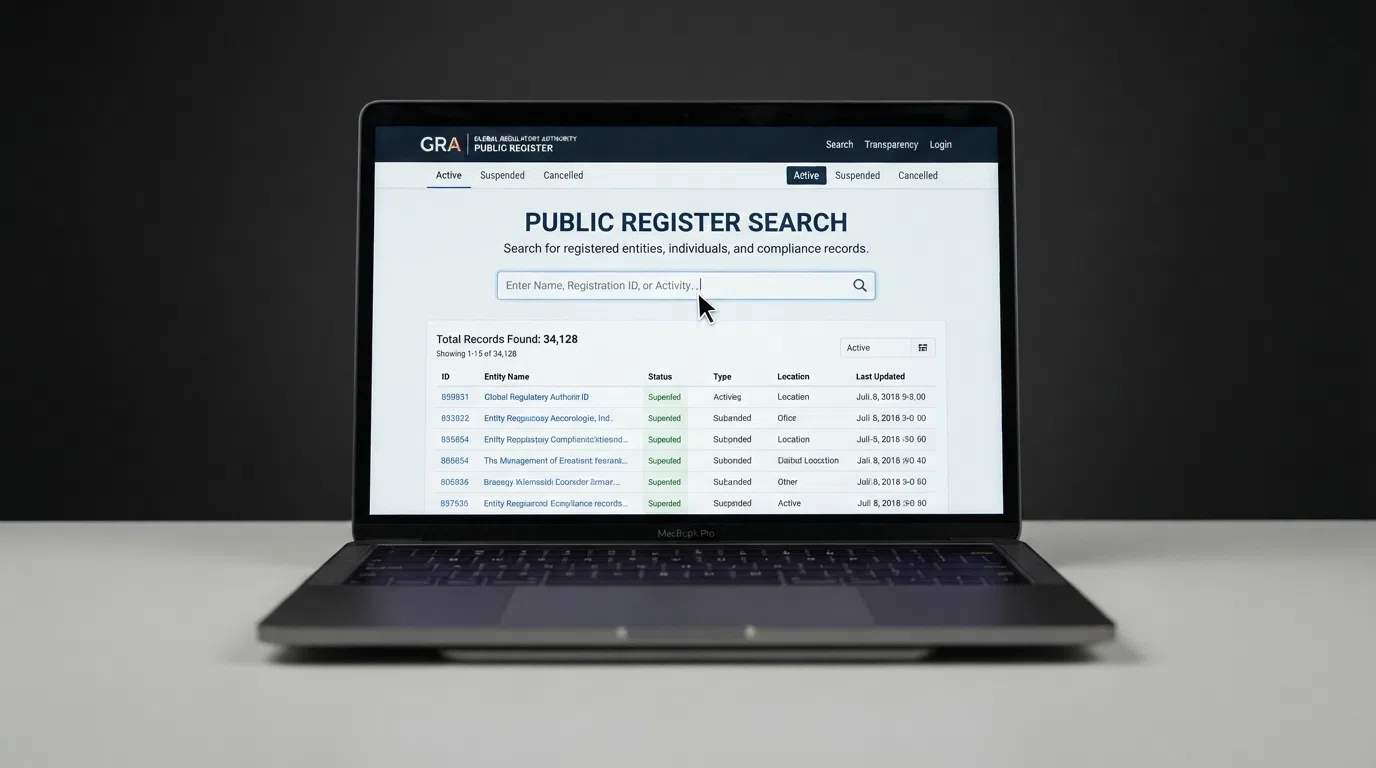
The licensing framework is the Gambling Commission, the single statutory regulator for Great Britain under the Gambling Act 2005, extended to remote operators by the Gambling (Licensing and Advertising) Act 2014. A UKGC licence is compulsory at the point of consumption: any operator serving GB customers, wherever based, must hold a GB licence. The Commission’s three licensing objectives sit in section 1 of the 2005 Act: preventing gambling from being a source of crime, ensuring gambling is conducted fairly and openly, and protecting children and vulnerable persons from harm or exploitation.
UKGC-Licensed and Legal Klarna Casinos
The UKGC’s public register is the authoritative source for licence verification. The register contains 2,663 business records, last updated 29 July 2026, and is searchable by business name, trading name, domain name, or account number. Every featured operator on this page holds a current UKGC licence, and the player should verify the licence on the register before depositing.
The minimum age for gambling in Great Britain is 18, and since 7 May 2019 a remote licensee must verify the player’s name, address, and date of birth before any deposit or gambling. The identity check is mandatory and non-bypassable at any UKGC-licensed operator, including the Klarna-accepting set. Anonymous play is impossible at a GB-licensed site; the Klarna deposit funds a verified account.
The scope of the Gambling Act 2005 is Great Britain (England, Scotland, and Wales). Northern Ireland runs on separate older legislation and is outside the Commission’s remit.
Gamstop and Klarna Casinos — How Self-Exclusion Works
GAMSTOP is the UK’s national multi-operator self-exclusion scheme, mandatory for every UKGC-licensed online operator since 31 March 2020. The scheme has more than 530,000 registered users and offers exclusion periods of 6 months, 1 year, or 5 years. Once registered, a player cannot open new accounts or deposit at any participating operator, and the exclusion cannot be cancelled early.
The interaction with Klarna deposits is straightforward. The exclusion is operator-level, not payment-method-level: a GAMSTOP-registered player who tries to deposit via Klarna at a licensed casino is blocked at the account-verification stage, before the cashier loads. Klarna cannot route around a GAMSTOP registration, just as it cannot route around a bank-level gambling block via SOFORT. The exclusion is enforced by the operator, not the payment provider, but the practical effect is identical.
For a player who has registered with GAMSTOP, the only legal route back to gambling in the UK is to wait out the exclusion period. Offshore sites that do not participate in GAMSTOP are outside the scheme’s reach, but they are also outside the UKGC’s perimeter, and the player loses every UK protection by playing there.
Non-Gamstop Klarna Casinos — What You Actually Lose
A “non-Gamstop Klarna casino” is, by definition, an unlicensed operator targeting UK players. The “non-Gamstop” label is the marketing wrapper for an operation that sits outside the UKGC’s regulatory perimeter, and Yield Sec’s research (via Bloomberg) found that 84% of illegal gambling promotions use “not on GamStop” or related terms to reach minors and gambling addicts through search engines.
The player at a non-Gamstop site loses specific protections. No GAMSTOP coverage means the self-exclusion set at UK-licensed sites does not extend to the non-Gamstop site, and a player who has registered to control their gambling can still deposit at the offshore operator. No UKGC complaints route means disputes over withdrawals, bonus terms, or account closures cannot be escalated to the Commission. No alternative dispute resolution (ADR) means there is no independent body to adjudicate. No British consumer-law protection means the standard UK consumer-rights regime (distance-selling regulations, unfair-terms legislation, the Financial Ombudsman Service for payment disputes) does not apply.
The player is not committing an offence. The offence sits with the operator under section 33 of the Gambling Act 2005, which carries up to 51 weeks’ imprisonment and an unlimited fine. The Commission’s enforcement is disruption rather than blocking: cease-and-desist notices with 48-hour deadlines, URL referrals to search engines for delisting, work with domain registrars and hosting providers, and payment-provider referrals. For April 2024 to June 2025, the Commission issued 3,140 disruption notices, referred 447,778 URLs to search engines, saw 287,961 URLs removed, and recorded a 32% average fall in engagement across 160 disrupted sites. The Commission does not hold statutory ISP or DNS blocking powers; legislation has been proposed but not enacted.
Offshore Klarna Casinos and the Real Risks
A Curaçao, Malta, or Gibraltar licence is not a substitute for a UKGC licence. The Gambling (Licensing and Advertising) Act 2014 made a GB licence compulsory at the point of consumption, and an operator serving GB customers without one is committing an offence under section 33 of the 2005 Act, regardless of which other jurisdiction has licensed them.
The practical risks for the player sit in three areas. First, payments: the offshore operator may expose credit products, e-wallets, or crypto rails that a UKGC licensee would block, and the player’s recourse on a disputed withdrawal is the offshore operator’s own complaints process (or none). Second, game fairness: UKGC-licensed games are tested and certified to specific RTP and volatility standards; offshore games are tested to the standards of the licensing jurisdiction, which may be lower. Third, responsible gambling: GAMSTOP does not reach the offshore site, deposit limits are not mandated, and the operator’s own self-exclusion scheme may not be enforced.
The Commission’s enforcement record demonstrates that the disruption approach has measurable effect: a 32% average fall in engagement across 160 disrupted sites is a significant impact, and the trend in 2024–2025 has been an increase in disruption activity. The trend does not eliminate the offshore offer, and the player who seeks it out will find it; the legal and protective reality is that the player is on their own.
Staying Safe: Responsible Gambling Tools at Klarna Casinos
The responsible-gambling framework at every UKGC-licensed Klarna casino is mandatory, and the tools are uniform across the featured set. Deposit limits, reality checks, time-out, self-exclusion, and access to support services are required by the LCCP and the RTS, and the operator’s compliance is auditable by the Commission. The player does not need to ask for the tools; they are offered at sign-up, available in the account settings, and enforced across every game type.
The GamCare National Gambling Helpline (0808 8020 133) is free, confidential, and available 24/7. GambleAware provides online self-assessment and treatment information. NHS gambling harm clinics operate in England, Scotland, and Wales. Gamblers Anonymous runs peer-support meetings across the UK. The statutory levy, 1.1% of gross gambling yield for remote casino, bingo, and betting licences from 6 April 2025, funds the treatment, prevention, and research infrastructure through the Commission-administered system, with 50% allocated to treatment, 30% to prevention, and 20% to research.
Deposit and Session Limits
The deposit-limit prompt is the most visible mandatory tool. From 31 October 2025, every UKGC-licensed operator must prompt the customer to set a financial deposit limit before the first deposit, with a gross deposit limit offered at least equal in prominence to a net deposit limit. Only the gross form may be called a “deposit limit” in the operator’s interface. The limit is enforceable across all subsequent deposits until the player changes it; decreases apply immediately, increases are subject to a delay period under RTS 12.
The slot-specific session tools sit alongside the deposit limit. The operator must display total losses, total wins, and time played during a slots session, with the display updating in real time. Reality-check prompts appear at intervals during play, and the player can configure the interval. Reverse withdrawals are permanently banned: once a withdrawal is requested, the player cannot cancel it and return the funds to the casino balance.
Self-Exclusion Tools Beyond Gamstop
GAMSTOP is the national multi-operator scheme, with exclusion periods of 6 months, 1 year, or 5 years, and the exclusion cannot be cancelled early. Operator-level self-exclusion sits alongside GAMSTOP for players who want to exclude from a single operator without the national-scheme commitment. Time-Out offers a shorter cooling-off period, typically 24 hours to 6 weeks.
Financial vulnerability checks are mandatory under LCCP Social Responsibility Code 3.4.4. From 28 February 2025, operators must run a check when a player’s net deposits reach £150 in a rolling 30-day period, using publicly available data (county court judgments, individual voluntary arrangements, bankruptcy orders) only. The check is not a credit check; it is a public-data scan for markers of financial distress.
Financial risk assessments, the deeper affordability checks, are not yet mandatory. The Commission announced the framework on 7 July 2026, with a staged rollout: Stage 1 thresholds are £5,000 (25+) or £2,500 (under 25) in a rolling 24-hour period, and the final thresholds are £1,000/£3,000 (25+) or £750/£2,000 (under 25). The start date has not been confirmed; the framework is announced but not yet in force.
Where to Find Help and Support
The support network is free, confidential, and accessible without going through the casino. The GamCare National Gambling Helpline (0808 8020 133) operates 24/7, with trained advisors who can signpost to treatment, self-exclusion, and financial advice. GamCare also runs an online self-assessment tool and free one-to-one counselling.
GambleAware provides online resources, a self-assessment quiz, and treatment-finder tools. The NHS operates gambling harm clinics in England, Scotland, and Wales, offering specialist cognitive-behavioural therapy and psychiatric assessment for gambling disorder. Gamblers Anonymous runs peer-support meetings across the UK, in person and online.
The UKRI-administered prevalence research programme, funded through the statutory levy, generates the data that underpins the public-health response. The Health Survey for England includes gambling-harm questions, and the Commission’s own research programme publishes annual statistics on participation, problem-gambling prevalence, and treatment uptake. The player who wants to understand the broader context can read the Commission’s published research; the player who needs help now can call the helpline.
How We Picked the Best Klarna Casinos
The featured operators on this page were selected against a specific criterion: confirmed or plausible Klarna acceptance at the cashier of a UKGC-licensed casino, with a welcome bonus relevant to the current UK market. The evaluation is qualitative, not algorithmic, and the ranking reflects the fit to the Klarna criterion rather than a composite score across bonus size, game count, and brand familiarity.
The licence baseline is the UKGC public register, which contains 2,663 business records as of 29 July 2026. Every featured operator holds a current licence, and the licence status was verified against the register. The bonus evaluation applied the 10× wagering cap as the ceiling, with 0× offers ranked above 10× offers. The withdrawal method was checked, and the responsible-gambling tools were confirmed. The evaluation does not use undisclosed weightings, and the ranking reflects the criteria described in this section.
The sources consulted for the operator research were the operator official sites (for welcome-bonus terms and payment-method lists), SpinVerdict, Bojoko, Bookies.com, BettingLounge, and GambleGuru (for cross-referencing), and the Gambling Commission’s own publications (for the regulatory baseline). The Klarna-acceptance status was confirmed from multiple sources where possible and marked “not confirmed” where the available data did not support a confident assertion.
Should You Use Klarna for UK Casino Deposits?
Klarna is a strong pick for the player who wants instant deposits, no card-data exposure, and a bank-level authentication flow, and who accepts the withdrawal gap. The Pay Now rail works as advertised: the deposit clears in seconds, no fee is charged to the player, and the bank-redirect flow is faster and more secure than typing a card number into a gambling site. The bank-level gambling block respected by SOFORT means a self-exclusion set at the bank travels with the player. The cost sits with the operator, and almost every UK casino absorbs it.
The weaknesses are real. Klarna withdrawals are not supported at most UK casinos, and the cashout takes the standard 1–5 business day bank-transfer route. Klarna acceptance is not universal across UKGC-licensed operators, and the player who arrives at Sky Vegas, 888casino, Ladbrokes, William Hill, or Coral expecting Klarna will need to check the cashier. Bonus eligibility varies by operator: at Betway, the welcome bonus requires a debit-card deposit; at LeoVegas, debit card or Open Banking. The Pay Later and credit products the Klarna brand is famous for are unavailable for gambling, and the player who arrives expecting BNPL is redirected to a debit-rail deposit by the regulator.
The decision framework is short. If you want instant deposits and a fee-free, card-free flow, and you are happy to receive withdrawals via bank transfer, Klarna is the right pick among the open-banking options. If your priority is a specific welcome bonus that requires a debit-card deposit, use a debit card. If you want the no-wagering spin offers at PlayOJO, LeoVegas, or Ladbrokes, the deposit method is a secondary consideration to the bonus terms.
The non-negotiables apply regardless of the deposit method. Verify the UKGC licence on the public register before depositing. Confirm Klarna appears in the cashier. Compare the welcome bonus against the 10× wagering cap and the validity window. Confirm the withdrawal method and timeline. Check the responsible-gambling tools. And never step outside the UKGC-regulated market: the 84% of illegal gambling promotions that use “not on GamStop” terms to target vulnerable players is the cost of the unlicensed route, and the protection you give up (GAMSTOP, UKGC complaints, ADR, British consumer law) is the price of the offshore offer.
Frequently Asked Questions
Is it safe to deposit at a UK casino using Klarna?
Yes, at any UKGC-licensed casino that lists Klarna in its cashier. Klarna’s Pay Now rail is an instant open-banking transfer with bank-level authentication, and the merchant fee is absorbed by the operator rather than charged to the player. The deposit completes in seconds, no card data is shared with the casino, and the player’s existing bank-level gambling block is respected via SOFORT. The Pay Later and credit products are blocked for gambling by both Klarna’s policy and the UKGC’s credit ban.
Can I withdraw my casino winnings to my Klarna account?
Generally, no. Most UKGC-licensed casinos that accept Klarna for deposits process withdrawals via standard bank transfer, with funds landing in the originating bank account in 1–5 business days. A handful of operators have started offering Klarna-powered withdrawals, but that is the exception rather than the norm. The player who chooses Klarna for the deposit should expect the cashout to take the slower bank-transfer rail.
Why don’t all UK online casinos accept Klarna as a payment method?
Klarna’s Pay Now is an open-banking integration that operators wire up at the cashier level, and the integration is not universal. Some operators expose other open-banking rails (Trustly, TrueLayer) under their own brand and have not added Klarna specifically. Others have focused their deposit-method list on debit card, PayPal, and Apple Pay, particularly where the welcome bonus terms are tied to specific payment methods. The cashier is the source of truth on Klarna acceptance at any given operator.
Are non-Gamstop casinos that accept Klarna legal in the UK?
No, not in the sense of being UKGC-licensed. A “non-Gamstop Klarna casino” is by definition an unlicensed operator targeting UK players, and the player at such a site loses every UK protection: no GAMSTOP coverage, no UKGC complaints route, no alternative dispute resolution, no British consumer-law protection. The offence sits with the operator under section 33 of the Gambling Act 2005 (up to 51 weeks’ imprisonment and unlimited fine), not with the player, but the practical consequence is the loss of every safeguard the UK regime provides.
What is the minimum deposit when using Klarna at a UK casino?
The minimum is operator-set rather than Klarna-set, and most featured operators set the floor at £10. Betfair sets a lower £5 minimum for most methods including Klarna. Ladbrokes sets £5 except for PayPal at £10. The maximum per transaction is constrained by Faster Payments limits at the player’s bank rather than by Klarna, typically £10,000–£25,000 per single payment.
Does the Klarna card work for online gambling deposits in the UK?
No. The Klarna Card, a Visa debit card issued by Klarna, is declined at gambling merchants, and this is Klarna’s own policy rather than a casino-level decision. The card’s terms of use treat gambling as an excluded category, and the transaction is blocked at the card-issuer level. The player who wants to use a Klarna product at a UK casino must use the Pay Now open-banking rail instead.
Payments – nonukgc-licensedcasinos
Content created by the «nonukgc-licensedcasinos» team