
Casinos That Accept Wirecard UK: The Payment Rails That Replaced It
 Available in GB
A search for “casinos that accept Wirecard UK” arrives at a wall. No UK Gambling Commission-licensed operator — and no offshore casino serving British customers — accepts Wirecard, because Wirecard no longer exists as an operational company. The payment network was switched off in June 2020, and five years on there is no successor running the rails.

That does not mean the search is wasted. It leads, instead, to a better question: which licensed UK casino offers the kind of instant, bank-grade deposits that Wirecard once promised, without the governance risk that brought the company down? This page answers that question, names ten UKGC-licensed operators that meet the standard, and explains the regulatory scaffolding — wagering caps, stake limits, GAMSTOP, KYC, and Open Banking — that makes the current market structurally safer than anything Wirecard-era players experienced.
Data current as of September 8, 2026 and verified against the Gambling Commission’s public register.
Wirecard Collapsed — Here’s Why No UK Casino Touches It in 2026
Wirecard’s story is not a story about payments. It is a story about an audited, listed, regulator-supervised financial institution that turned out to be a fiction. In June 2020, €1.9 billion in cash that the company claimed to hold in trust accounts could not be located. Within days, the company was insolvent, its banking licence was revoked, and its former chief executive was under arrest. The collapse left creditors owed almost $4 billion. The president of BaFin, Germany’s financial regulator, called it “a complete disaster” and “a disgrace”.
For a player searching today, the implication is total: no casino anywhere accepts Wirecard, because the company that processed the payments is gone. The remainder of this section explains how a DAX-listed fintech reached that point, and why the search for Wirecard casinos is, in practical terms, a dead end.
What Wirecard Was — a German Fintech Giant That Went to Zero
Wirecard AG was a Munich-based payment processor that, at its peak, sat on Germany’s DAX index of blue-chip companies with a market capitalisation exceeding €20 billion. Through its subsidiary Wirecard Bank AG, it held a full banking licence from BaFin, the German financial regulator. The company processed payments for merchants across Europe, and a meaningful share of its European merchant book was online gambling operators — the kind of business that needed a regulated acquiring partner willing to handle the segment.
The business model rested on a simple promise: settle card and bank-transfer payments quickly, reliably, and at scale, while letting the merchant keep customer card details out of its own systems. For online casinos, that was a useful combination — the gambling operator never had to touch raw card numbers, and the player moved money through a familiar interface without exposing bank credentials to the gaming site.
Then, in the spring of 2020, the model broke. Wirecard’s auditor, EY, refused to sign off the 2019 accounts because €1.9 billion in trust-account balances could not be confirmed. The company’s own management board later conceded that the money “likely did not exist”. Former CEO Markus Braun was arrested on suspicion of falsifying accounts. The banking licence was revoked. What had been a €20 billion company was, within a fortnight, an insolvency filing owing creditors almost $4 billion.
The Collapse Timeline — How a Blue-Chip Unravelled in Days
The sequence compressed. On 18 June 2020, EY publicly refused to sign off Wirecard’s 2019 accounts. Four days later, on 22 June, Wirecard’s own management board admitted that the €1.9 billion in trust-account balances “likely” did not exist. On 25 June, the company filed for insolvency. The following weeks brought the arrest of the former chief executive and a string of criminal investigations across jurisdictions.
BaFin’s response was unusually blunt. Its president, Felix Hufeld, said: “It is a disgrace that something like this happened.” The regulator had been criticised during the preceding years for treating Wirecard’s auditors’ warnings with insufficient urgency, and the post-mortem was unsparing. The affair has since been cited in academic and regulatory literature as a case study in audit failure, regulatory capture, and the limits of listing-status as a quality signal.
The crucial point for anyone searching today: the insolvency was not a restructuring. The company was wound up. There is no successor entity operating the Wirecard payment network, and there will not be one. The trademark, the acquiring relationships, and the banking licence are all gone.
Why Searching for Wirecard Casinos Is a Dead End in 2026
Pages that still list “Wirecard casinos” are operating from a five-year-old template. The UKGC has not banned Wirecard, because there is nothing left to ban. The company does not process payments, the rails do not exist, and no casino — UK-licensed or offshore — can offer a deposit method that has been wound up through insolvency.
Beyond the practical absence, there is a regulatory reason no UKGC operator could route Wirecard payments even if a successor emerged. Licence condition 5.1.2 of the Licence Conditions and Codes of Practice, in force since 31 January 2024, requires every licensed operator to accept payments only through providers that are regulated payment service providers under the Payment Services Regulations 2017. A revived Wirecard would have to clear that bar, and the current Wirecard Board of Management’s track record would not be a comfortable starting point.
The real need behind the search is straightforward: the searcher wants a safe, fast deposit method at a licensed UK casino. The rest of this page addresses that need directly.
Your Wirecard Casino Deposit Used to Work Like This — Here’s What Replaced It
The features that made Wirecard useful for online gambling — instant bank-grade settlement, no card numbers shared with the merchant, near-instant cashout — were not unique to Wirecard. They were the standard any modern payment processor either provided or aspired to. What has changed since 2020 is not the underlying rail (bank transfer, card processing, e-wallet) but the regulatory envelope around it. Every payment method now used at a UKGC-licensed casino is processed through a regulated payment service provider, monitored under anti-money-laundering rules, and capped where the regulator has decided a cap protects the player.
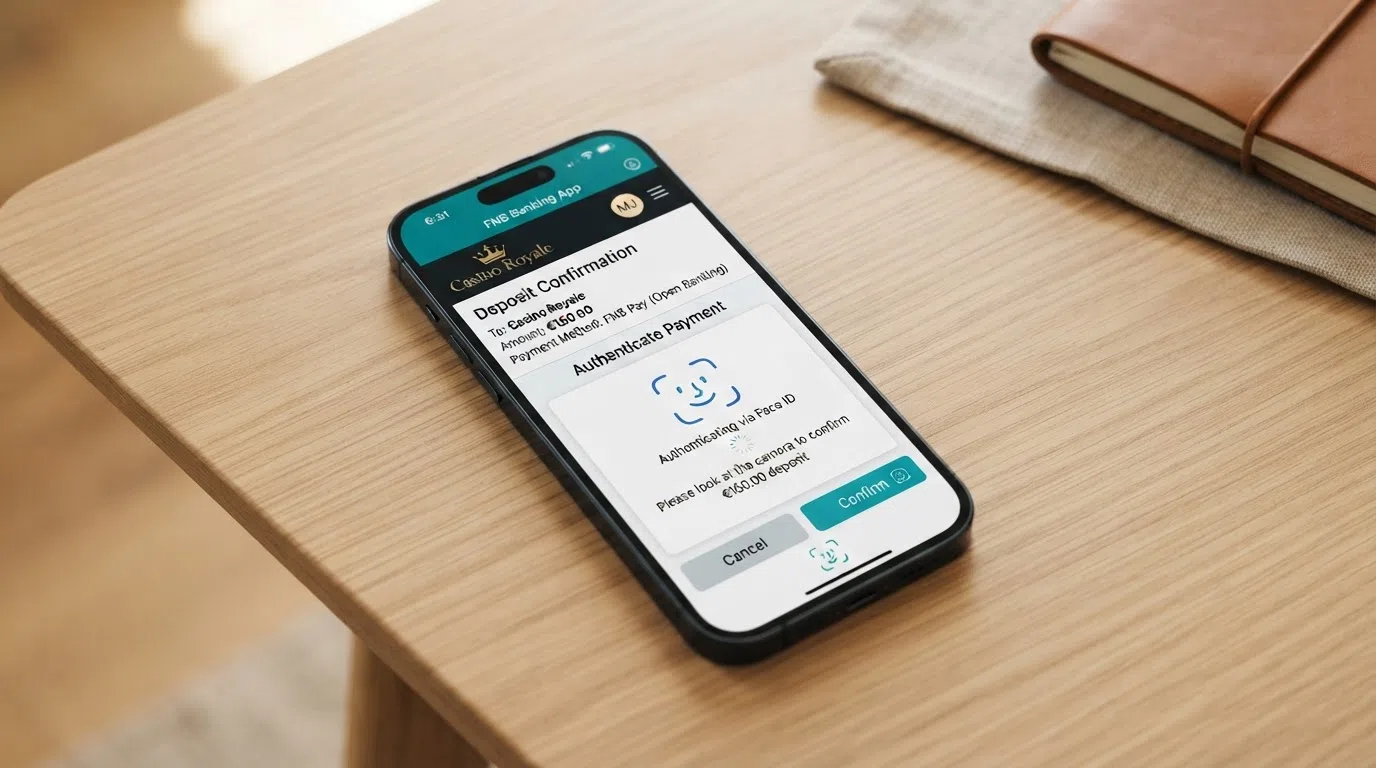
The replacement ecosystem falls into four families: debit cards, Open Banking, e-wallets, and prepaid vouchers. Each has a different cost, speed, and privacy profile. The table later in this section sets them side by side; the subsections below explain what each does and where it sits in the post-Wirecard hierarchy.
How a Wirecard Casino Deposit Worked — the Player Experience
Before the collapse, depositing at a Wirecard-accepting casino followed a familiar pattern. The player selected Wirecard at the cashier, was redirected to Wirecard’s own payment interface, and authorised the transfer from a bank account or a pre-funded Wirecard balance. The casino received confirmation that funds were on the way without ever seeing the player’s card number. Settlement was near-instant. Withdrawals, where supported, could be sent back to the Wirecard balance or directly to the player’s bank.
The appeal was structural. Players who did not want to share debit-card numbers with gambling operators — a legitimate concern given the breach history of gaming sites — could route the money through a third party. Wirecard’s banking licence and PSD2 compliance, on paper, made it a regulated intermediary. In hindsight, the regulatory framing was less reassuring than it appeared.
Debit Cards and Apple Pay — the Universal Fallback That Costs Nothing Extra
Visa and Mastercard debit deposits are the universal fallback at every UKGC-licensed casino. Deposits are instant, fee-free, and clear through a rail the player already uses for everyday spending. Withdrawals typically take one to three business days once the operator approves them, which is slower than the e-wallet or Open Banking options but faster than a traditional bank wire. The minimum deposit is usually £10, the same as every other method at the featured operators.
The credit card ban does not affect debit cards. Since 14 April 2020, no UKGC-licensed operator has been permitted to accept credit card payments, including credit-funded e-wallet top-ups. Debit cards are untouched by the rule, and that is the only reason the deposit path looks ordinary at all.
Apple Pay layers biometric security on top of the same debit rail. At every featured casino on this page, Apple Pay is available, and the authorisation prompt is handled through Face ID or Touch ID on the player’s own device. The card number never reaches the casino, and the transaction reads as a standard card payment on the player’s bank statement.
Open Banking — the Wirecard Replacement Wirecard Never Saw Coming
Open Banking is the closest modern equivalent to what Wirecard offered, and in every measurable respect it is faster and better regulated. The deposit flow works through the player’s own banking app: the casino requests a payment, the player’s bank authenticates the user with Face ID or fingerprint, and the funds settle in seconds. No card numbers are shared, no third-party processor sits between the bank and the casino, and the authorisation is biometric rather than password-based.
The UK recorded more than 350 million Open Banking payments during 2025, and the volume continues to grow. Three providers dominate the UK casino market: Trustly, TrueLayer, and Volt. bet365 has deployed TrueLayer’s Pay by Bank product across its UK operations, enabling both instant deposits and instant withdrawals back to the player’s bank account. For a player who valued Wirecard’s instant-settlement promise, Open Banking delivers an even more seamless experience, leveraging the robust infrastructure of the player’s own bank.
E-Wallets — PayPal, Skrill and Neteller for Speed Without Sharing Bank Details
E-wallets sit between the bank and the casino. The player funds the wallet from a debit card or bank transfer, and the casino sees only the e-wallet account identifier. PayPal is the most widely accepted e-wallet at UKGC-licensed operators, available at nine of the ten featured casinos on this page. Deposits are near-instant, and withdrawals are often processed within 24 hours — some operators clear PayPal withdrawals within two hours of approval.
Skrill and Neteller offer similar speed but a smaller acceptance footprint, and some operators exclude e-wallet deposits from bonus eligibility. Betfred, for one, notes that e-wallet and prepaid card deposits may not qualify for the welcome offer — a caveat worth reading before assuming a bonus lands on the deposit you made.
Paysafecard sits in a different category. It is a prepaid voucher, bought in a shop or online with cash or debit, and redeemed at the casino by entering a 16-digit code. It offers strong deposit anonymity, but it cannot be used for withdrawals — the player will need a separate payout method on file. The credit card ban extends to credit-funded e-wallet transactions, so a credit card top-up of a wallet will not work at any UKGC casino.
Withdrawal Speed Compared — What “Fast Payout” Actually Means at UK Casinos
The table below sets the post-Wirecard payment options side by side. The “fast payout” label means little without the times behind it, and the variance between methods is wider than most players realise.
| Payment Method | Deposit Speed | Withdrawal Speed | Fees | Minimum Deposit |
|---|---|---|---|---|
| Debit card (Visa/Mastercard) | Instant | 1–3 business days | None | £10 |
| Apple Pay | Instant | 1–3 business days | None | £10 |
| Open Banking (Pay by Bank) | Seconds | Instant to a few hours | None | £10 |
| PayPal | Instant | Within 24 hours (often faster) | None | £10 |
| Skrill | Instant | Within 24 hours | None | £10 |
| Neteller | Instant | Within 24 hours | None | £10 |
| Paysafecard | Instant | Not available for withdrawal | None | £10 |
| Bank transfer | Same day to 1 day | 1–5 business days | None | £10 |
The spread is the story. Open Banking and PayPal lead on withdrawal speed; debit cards and bank transfers trail. The player who treats “fast payout” as a priority should deposit and withdraw through the same Open Banking or PayPal rail — switching rails for the payout means waiting for the slower one.
10 UKGC-Licensed Casinos With Fast, Modern Deposit Rails in 2026
Every casino on the list below holds a valid Gambling Commission licence, verified against the Commission’s public register (last updated 29 July 2026). None accepts Wirecard, because the network no longer exists. All ten accept payment methods that match or exceed what Wirecard offered in 2020: instant deposits, regulated payment service providers, biometric or password-protected authorisation, and withdrawals through rails the player’s own bank supervises.
The table ranks the operators by payment-method breadth and bonus fairness. The write-ups that follow group the same ten by what they offer the payment-conscious player.
| Casino | Welcome Offer | Wagering | Bonus Validity | Minimum Deposit |
|---|---|---|---|---|
| bet365 | Up to 500 free spins | 0× | 30 days | £10 |
| Sky Vegas | 50 no-deposit spins + 200 on deposit | 0× | 7 days | £10 |
| William Hill | 200 free spins on Big Bass Splash | 10× | 72 hours | £10 |
| Ladbrokes | 100 no-wagering spins + 300 LadBucks | 0× | 7 days (48h to accept) | £10 |
| Betfair | 50 no-deposit spins + 100 on deposit | 0× | 7 days | £10 |
| Paddy Power | 60 no-deposit spins + 200 on deposit | 0× | 7 days | £10 |
| Betfred | 200 free spins on selected titles | 0× | 7 days | £10 |
| Coral | 100 free spins (up to 200 in some promotions) | 0× | 7 days | £10 |
| Gala Bingo | 100 free spins on selected slots | 0× | 7 days | £10 |
| Betway | 150 free spins (50/day for 3 days) | 0× | 24 hours per batch | £10 (£20 stake for full bonus) |
Sky Vegas — Fifty Free Spins Before You Deposit a Penny
Sky Vegas offers the strongest no-deposit offer in the featured set: 50 free spins credited before the player makes a single deposit, plus another 200 spins on depositing and staking £10. All winnings are paid as cash, with 0× wagering — well inside the statutory 10× cap. The free spins expire seven days after credit, so timing matters. Payment methods include debit card, Apple Pay, and Pay by Bank (Open Banking). The operator is GB-licensed through Bonne Terre Limited, part of the Sky Betting & Gaming group. It is an excellent choice for players who want to explore a large library without making an initial commitment.
Paddy Power — Sixty No-Deposit Spins and Zero Wagering
Paddy Power’s no-deposit allocation is the largest in the featured set at 60 spins, with 200 more on depositing £10. All winnings are withdrawable as cash, with 0× wagering. The operator accepts debit card, Apple Pay, PayPal, and bank transfer, and the free spins carry a 7-day validity. Paddy Power is GB-licensed through PPB Entertainment Limited, part of the Flutter group alongside Betfair. Sixty deposit-free spins is unusual; it gives a genuine trial of the casino before any financial commitment, and the zero-wagering treatment means anything won during that trial is the player’s to keep.
Betfair — Fifty No-Deposit Spins From a Flutter-Stable Operator
Betfair mirrors the no-deposit model with 50 spins before deposit and 100 more on depositing and staking £10. All winnings are credited as withdrawable cash with 0× wagering, again inside the statutory cap. The operator supports most major UK deposit methods, including cards and e-wallets. The 7-day validity applies to the free spins, and the operator is GB-licensed through PPB Counterparty Services Limited, the Flutter group stablemate of Paddy Power. This operator is a strong contender for players who appreciate the security and reliability of a large, established group.
bet365 — Up to 500 Free Spins With No Wagering Requirement
bet365 offers the largest free-spin volume in the set: up to 500 spins across four titles (Book of Horus, Curse of the Bayou, Magic Forge, and Wrath of the Deep), with winnings credited as cash under a 0× wagering structure. The spins are valid for 30 days from registration — the longest window in the set. The payment rail is the standout feature: bet365 has deployed TrueLayer’s Pay by Bank product across its UK operations, enabling both instant deposits and instant withdrawals directly to the player’s bank account. Debit card, PayPal, Apple Pay, and bank transfer are also supported. The minimum deposit is £10, each spin is worth 10p, and the operator has held a GB licence (Hillside UK Gaming ENC, Account 39721) with Casino Remote active since 17 October 2019. For a player who values withdrawal speed as much as welcome offer, bet365 is the strongest combination in the set.
William Hill — 200 Free Spins on Big Bass Splash With 10× Wagering
William Hill is the only featured operator applying the maximum permitted wagering multiple to free-spin winnings: 10×, at the statutory cap under LCCP Social Responsibility Code 5.1.1. The offer is 200 free spins on Big Bass Splash, on depositing and staking £10, with a 72-hour validity from credit and a maximum cashout of £30. Each spin is worth 10p. You can fund your account through all industry-standard channels, including cards and major e-wallets. The operator has been GB-licensed (Account 2752) with Casino Remote active since 2009. The trade-off is plain: William Hill’s headline offer has the most restrictive terms in the set, but the brand’s long UK high-street history and its large slots catalogue compensate for some players. Read the bonus terms before assuming the £30 cap will not bite.
Ladbrokes — 100 No-Wagering Spins Plus 300 LadBucks
Ladbrokes pairs 100 zero-wagering free spins with 300 LadBucks, an in-house loyalty currency usable across the operator’s casino and games portfolio. The spins land on depositing and spending £10, with a 7-day validity and a 48-hour window to accept the offer once it appears. Payment methods include debit card, PayPal, Apple Pay, and bank transfer; the minimum deposit is £10, and each spin is worth 10p. Ladbrokes has been GB-licensed (Account 1611) with Casino Remote active since 1 November 2014. The LadBucks top-up gives the welcome offer a hybrid shape that none of the other featured operators match, and it suits a player who already engages with the Entain group’s broader product family.
Betfred — 200 Free Spins With Winnings Added Directly to Your Balance
Betfred offers 200 free spins on selected titles, on depositing and staking £10, with winnings added directly to the withdrawable balance under a 0× wagering structure. The 7-day validity applies, and the operator accepts debit card, PayPal, Apple Pay, and bank transfer. The important caveat: Betfred notes that e-wallet and prepaid card deposits may be excluded from bonus eligibility. A player intending to use Skrill, Neteller, or Paysafecard for the qualifying deposit should check the current terms before assuming the welcome offer will land. The operator is GB-licensed through Petfre Gibraltar Limited.
Coral — 100 No-Wagering Free Spins on a Tenner
Coral’s welcome offer is a straightforward 100 free spins on depositing £10, with winnings paid as cash under 0× wagering. Some promotions raise the allocation to 200 spins. The 7-day validity applies, debit card, PayPal, Apple Pay, and bank transfer are accepted, and the minimum deposit is £10 with each spin worth 10p. Coral is GB-licensed (Coral Interactive Gibraltar Limited) as part of the Entain group alongside Gala Bingo. It remains a reliable, middle-of-the-road choice for players who value an established high-street name.
Gala Bingo — 100 Free Spins From a Bingo-First Operator With Full Casino Access
Gala Bingo is a bingo-led brand with a full casino product behind it. The welcome offer is 100 free spins on selected slots, on depositing and spending £10, with 0× wagering and a 7-day validity. Payment methods include debit card, PayPal, Apple Pay, and bank transfer; the minimum deposit is £10 and each spin is worth 10p. The operator is GB-licensed through Gala Leisure Limited, an Entain group company. The bingo heritage shows in the product layout — bingo rooms are foregrounded and the casino sits behind them — but the slots library is full-strength and the welcome offer is competitive.
Betway — 150 Free Spins Across Three Days With a £20 Stake Requirement
Betway is the only operator in the set requiring a £20 qualifying stake, and the spins are released as 50 per day over three days across five selected games. The 0× wagering structure applies to winnings, and each daily batch carries a 24-hour validity. Debit card, PayPal, Apple Pay, and bank transfer are accepted, the minimum deposit is £10, and each spin is worth 10p. The operator is GB-licensed through Betway Limited. The split-batch structure is unusual and worth noting: a player who deposits and stakes on day one gets 50 spins valid for 24 hours, then 50 more the next day, and a final 50 on day three. Missing a day forfeits that batch.
Why Your 2026 UK Casino Bonus Is Smaller (and Fairer) Than It Used to Be
The welcome offers on this page look modest next to the headline-grabbing packages of the mid-2010s — 200% deposit matches, 50× wagering, “bet £10 on football, get 100 free spins” cross-sells. The reason is regulatory. Since 19 December 2025, every UKGC-licensed operator has lived under a rewritten bonus rulebook, and the new rules trade headline numbers for fairer terms.
The two changes that matter most to the depositing player: wagering requirements on bonuses are capped at 10×, and mixed-product promotional offers are banned. The 10× cap is a hard ceiling — no operator can require a player to wager a bonus more than ten times before withdrawing. The mixed-product ban removes the cross-sell trap where a sportsbook deposit would unlock a casino bonus, and vice versa. From 1 May 2025, direct marketing has also required opt-in per product and per channel, so a player who consents to casino promotions does not automatically receive sports offers.
The result, for the player, is a market where the headline number on a bonus tells less of the story than the terms underneath. A 200-spin offer with 0× wagering and no cashout cap is worth more than a 500-spin offer with 10× wagering and a £30 ceiling, even though the latter looks bigger on the page.
Welcome Offers at the Featured Casinos — Free Spins, Not Deposit Matches
Every one of the ten featured operators offers free spins as the headline welcome deal, and none offers a traditional percentage deposit-match bonus. That is a structural shift: deposit matches were the dominant UK casino welcome offer through the 2010s, and they have all but disappeared under the 10× wagering cap, because a 100% match at 10× would still cap the bonus at a low ceiling to remain viable.
Seven of the ten featured casinos apply 0× wagering to their free-spin winnings. Three require no deposit at all — Sky Vegas, Paddy Power, and Betfair each credit free spins to a new account before any money changes hands. The shift toward free spins is not accidental: the economics of a 0× free-spin welcome are more predictable for the operator than a 10× deposit match, and the player can evaluate the offer in a single glance — winnings are cash, or they are not.
No-Deposit Free Spins — Three Operators Let You Try Before You Pay
Sky Vegas, Paddy Power, and Betfair are the three featured operators that credit free spins before the player makes a deposit. Sky Vegas offers 50 no-deposit spins, Paddy Power offers 60, and Betfair offers 50. All three apply 0× wagering, so winnings from the no-deposit spins are paid as cash. The offers sit well inside the statutory 10× cap, and they give a real trial of the casino’s slots library before any financial commitment.
The no-deposit model is unusual because it costs the operator real money regardless of whether the player ever deposits. Its persistence across three of the ten featured operators suggests that the customer-acquisition economics still work under the 10× cap — a player who tries a casino with 50 free spins and wins something is more likely to deposit than one who arrives cold.
No-Wagering Bonuses — What “Keep What You Win” Actually Means
Zero wagering means winnings from free spins land in the withdrawable balance immediately, with no further play-through required. Seven of the ten featured operators apply 0× wagering. William Hill is the exception, applying the maximum 10× to free-spin winnings. Even the worst case, however, is dramatically better than the pre-2025 norm: 35× to 50× wagering was common on UK casino bonuses before the cap, and the difference between 50× and 10× is the difference between a bonus that is functionally unredeemable and one that a player can actually clear.
The mechanics of “bonus funds” versus “cash funds” are worth understanding. Under the old system, a bonus would land in a separate balance that could not be withdrawn until wagering was complete, and any withdrawal attempt before clearing the requirement would forfeit the bonus. Under 0× wagering, there is no separate balance — the winnings are cash from the moment they credit, and the player can withdraw or continue playing with them as they choose.
The Games You Can Play — and What UK Stake Limits Mean for Slots in 2026
The full range of casino games is available at every UKGC-licensed operator on this page: online slots, table games, and live dealer tables. The constraint is not the library but the stake. Since April and May 2025, online slots have carried statutory maximum stakes of £5 per game cycle for players aged 25 and over, and £2 per game cycle for players aged 18 to 24. The cap applies to the total staked within a cycle, not per line or per coin.
Table games — blackjack, roulette, baccarat — are not subject to the slots stake cap. Live dealer tables are also exempt, because they are classified as table games rather than slots. The result is a market where a high-stakes player who previously sat at a £500-per-spin slot can still place a large bet at a live roulette table, while the slots themselves are bounded by the regulator’s stake ceiling.
The game-design rules that took effect in October 2021 shape the playing experience further. Auto-play is banned. Spin speed has a 2.5-second minimum. Losses disguised as wins (slot animations that celebrate a payout smaller than the stake) are banned. Reverse withdrawals — the ability to cancel a withdrawal request and return the funds to the playing balance — are permanently banned. Operators must display total losses, wins, and session time during play. Each of these rules removes a small friction that the old market allowed, and the cumulative effect is a slower, more transparent playing experience.
Online Slots — Real-Money Play, Free-Play Demos and the £5 Cap
The statutory stake cap reshapes what real-money slot play looks like. A player aged 25 or over cannot stake more than £5 within a single game cycle — the period from the moment a spin starts until the result is displayed and the next spin can begin. A player aged 18 to 24 cannot stake more than £2 within a cycle. The cap applies regardless of how many paylines the slot has or how the stake is denominated; a 20-line slot at 25p per line stakes £5 in total and sits at the ceiling for a 25+ player.
The cap’s intent is plain. High-stakes slots are where the largest losses accumulate fastest, and the regulator’s view is that a £5 ceiling contains the damage without outlawing the activity. The age differential — a lower cap for 18-to-24-year-olds — reflects the evidence that gambling harm clusters in younger adults.
Free-play demos remain available at every featured operator. The stake cap does not apply to demo play, because no real money is at risk, and the demos use the same RNG and RTP as the real-money versions. A player evaluating a new slot can run as many demo spins as the operator allows without the stake ceiling binding.
Table Games — Blackjack, Roulette and Their RTP Advantage Over Slots
Blackjack, roulette, baccarat, and their variants are available at every featured operator on this page. They are not subject to the slots stake cap, and they typically carry a higher return-to-player than online slots. European roulette, with its single zero, returns 97.3% of stakes over the long run. Blackjack with basic strategy played perfectly can return over 99%, though most casual players will see a lower effective RTP through suboptimal decisions.
The table-game experience is RNG-based for the standard digital versions, with cards drawn and roulette wheels spun by certified random number generators. Live dealer versions, covered in the next subsection, use real equipment streamed from a studio. The choice between RNG and live depends on the player’s preference for pace and atmosphere — RNG tables play faster, live tables offer a more immersive experience.
Live Dealer Casinos — Real Dealers, Real Tables, Streamed in HD
Every featured operator on this page offers live dealer tables from Evolution and Playtech, the two dominant live-casino studios. The games include live blackjack, live roulette, live baccarat, and the game-show formats that Evolution has popularised over the last several years — wheel-based games, dice games, and hybrid formats that blend slots mechanics with live hosting.
Live dealer games are streamed in HD from purpose-built studios, with professional dealers managing the tables in real time. The player places bets through the casino’s interface, and the dealer conducts the game as if at a physical table. Live play is not subject to the slots stake cap, because the games are classified as table games. Stakes vary by table, and high-roller rooms with elevated limits are available at most operators.
Slots Worth Knowing — Titles Research Names With Provider and Volatility Data
The table below lists slot titles that recur across the featured operators’ free-spin allocations and welcome offers, along with provider and volatility where research carries verified data. Titles without verified volatility data are marked with an em dash.
| Slot Title | Provider | Volatility |
|---|---|---|
| Big Bass Splash | Pragmatic Play | High |
| Big Bass Bonanza | Pragmatic Play | High |
| Book of Horus | — | — |
| Curse of the Bayou | — | — |
| Magic Forge | — | — |
| Wrath of the Deep | — | — |
The Pragmatic Play titles sit at the high end of the volatility spectrum, which means longer dry spells between significant payouts and the potential for large single-spin wins. Players who prefer more frequent, smaller wins should look for low- or medium-volatility slots in the broader catalogue. The four titles without verified volatility data are used in free-spin allocations at bet365; their volatility profile is not documented in the research that backs this page, and stating a figure here would be a guess.
Mobile Casino Play in 2026 — Apps, Browsers and the Deposit Experience
Every featured casino on this page works on a mobile device, either through a dedicated iOS or Android app or through a mobile-responsive website. The game libraries are identical across desktop and mobile — there is no reduced catalogue on phones — and the cashier supports the same deposit and withdrawal methods.
Apple Pay is the headline mobile deposit method. At every featured operator, Apple Pay is available, and the authorisation prompt is handled through Face ID or Touch ID on the player’s own device. The card number never reaches the casino. Google Pay is the Android equivalent at most operators, and it works through the same biometric authentication flow. Open Banking (Pay by Bank) works on mobile through the player’s banking app — the casino initiates the transfer, the bank app authenticates, and the deposit settles in seconds.
Casino Apps vs Browser Play — Which Gives You the Full Experience
bet365, William Hill, and Ladbrokes offer dedicated iOS and Android apps, downloadable from the App Store and Google Play. The apps add push notifications, biometric login, and a slightly faster launch path. Browser-based play, by contrast, requires no download, updates automatically, and works on any modern mobile browser. Apple Pay and Google Pay work in both environments, and the game performance is equivalent.
For most players, the choice is a matter of preference. The dedicated apps suit a player who plays frequently and values the quicker launch. Browser play suits a player who plays occasionally and does not want another app on the phone. The cashier experience is functionally identical either way.
New UK Casinos Launching in 2026 — What’s Worth Your Attention
New UKGC-licensed casinos continue to launch in the British market, and every entrant now arrives under a stricter payment regime than any operator that launched before 2020. From 31 January 2024, every licensed operator has been required to accept payments only through providers regulated under the Payment Services Regulations 2017. That rule binds new entrants from their first day of operation, which means a brand-new casino in 2026 will offer Open Banking, debit cards, and e-wallets — not Wirecard, not unregulated processors, and not crypto wallets.
The fact that a casino is new is not, on its own, a reason to avoid or to choose it. New entrants sometimes offer more generous welcome packages to build a player base, and they sometimes carry less brand recognition, which makes verification on the Commission’s public register more important. A new operator that has cleared the licensing process has met the same fit-and-proper standards as the ten featured on this page; the difference is track record, not regulatory standing.
What to Verify Before You Deposit at a Brand-New Casino
Before depositing at a newly licensed casino, a player should confirm four things. The operator should appear on the UKGC’s public register with an active remote casino licence. The payment methods listed at the cashier should be regulated payment service providers — the major UK banks for Open Banking, the licensed e-wallets for PayPal and Skrill, the card networks for debit. The casino should be integrated with GAMSTOP, the mandatory self-exclusion scheme. The bonus terms should carry a wagering requirement at or below the 10× statutory cap, with a clear validity window and any maximum-cashout cap stated in plain language.
A player who ticks those four boxes before depositing is operating at the same standard of caution that applies to the established operators on this page. The UKGC’s public register is the single source of licensing truth, and it is free to search.
Crypto at UK Casinos — Why No Licensed Operator Offers It in 2026
No major GB-licensed casino currently accepts Bitcoin or any other cryptocurrency. The UKGC has not issued an explicit ban on crypto deposits, but the regulator has flagged cryptocurrency in its emerging-risks guidance as presenting challenges around anti-money-laundering compliance and source-of-funds verification. More importantly, the mandatory identity verification that has applied since May 2019 — name, address, and date of birth confirmed before any deposit or gambling — is structurally incompatible with pseudonymous crypto wallets. A player who cannot verify their identity to the operator’s satisfaction cannot deposit, regardless of the payment method.
Offshore crypto casinos exist, and they accept British players. They are not GB-licensed, which means they fall outside every protection described in the next section: no UKGC dispute resolution, no GAMSTOP coverage, no statutory deposit limits, no requirement to offer self-exclusion tools. The winnings may be paid in crypto, but the consumer protection is zero. The pages later in this article that explain the UK regulatory framework explain what that absence costs.
Anonymity Is Not an Option at a UK-Licensed Casino
Since 7 May 2019, every UKGC-licensed operator has been required to verify a player’s name, address, and date of birth before accepting any deposit or allowing any gambling. The check is mandatory, not optional, and it happens before the first penny moves. The credit card ban adds a second layer — even a fully verified player cannot deposit by credit card, and credit-funded e-wallet transactions are blocked at the cashier.
Paysafecard offers deposit anonymity in a narrow sense: the voucher is bought with cash or debit, and the casino sees only the 16-digit code. But the player still needs a verified identity to create the casino account, and a different method to withdraw. The credit card ban means a Paysafecard bought with a credit card will not work. For a player who wants genuine anonymity, no UKGC-licensed casino offers it, and no method of funding one will provide it.
The UK Rules That Protect Your Money — Licences, GamStop and KYC Explained
The UK has the strictest regulatory framework for online gambling in any major market. The rules fall into four families: licensing, payments, player protection, and self-exclusion. Each is enforced by the Gambling Commission, the single statutory regulator, under powers granted by the Gambling Act 2005 and extended by the Gambling (Licensing and Advertising) Act 2014.
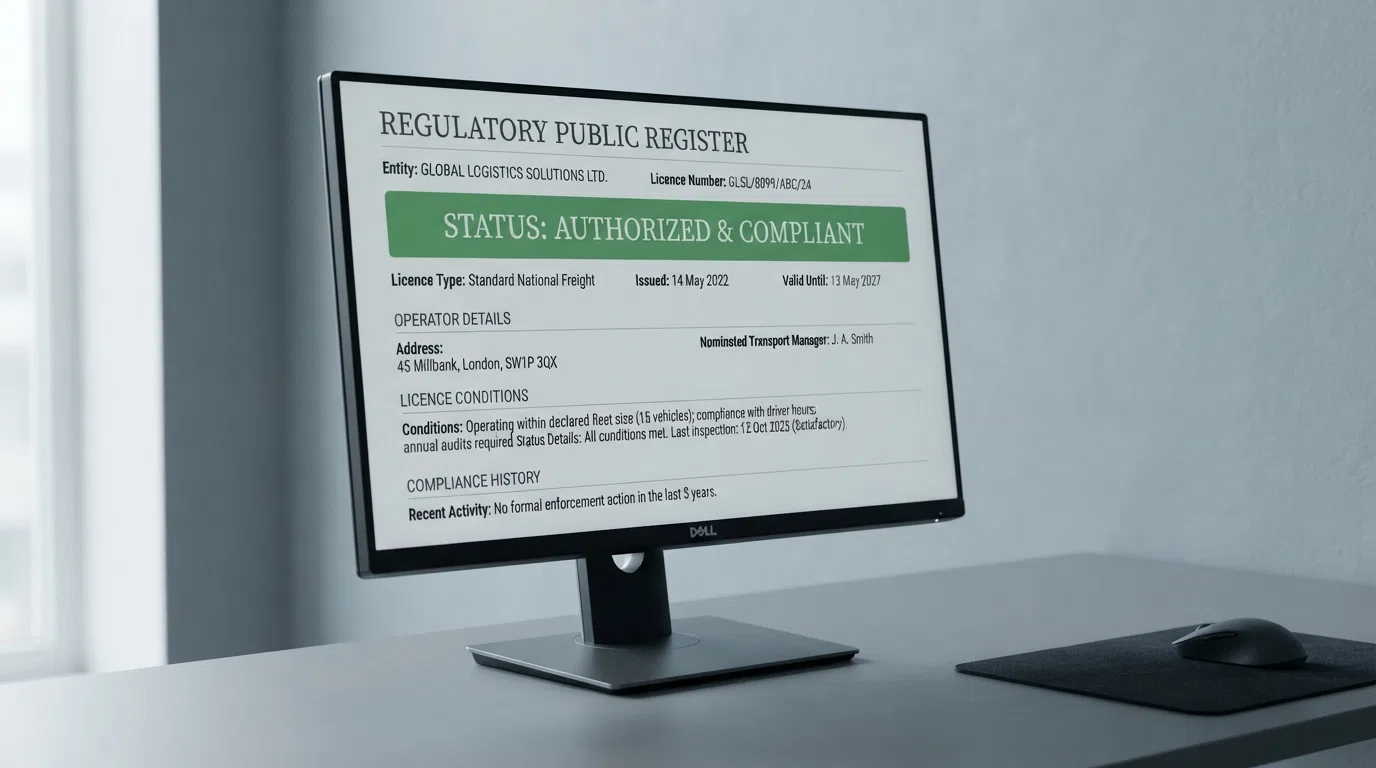
The three licensing objectives set out in section 1 of the Gambling Act 2005 are the framework’s foundation: preventing gambling from being a source of crime or disorder, ensuring gambling is conducted in a fair and open way, and protecting children and other vulnerable persons from being harmed or exploited. Every rule, every licence condition, and every enforcement action traces back to one of those three objectives.
UKGC Licensing — the Gate Every Casino on This Page Passed
A Gambling Commission licence is non-negotiable for any operator serving GB customers, regardless of where the operator is based. The point-of-consumption requirement, introduced by the 2014 Act, means that an operator in Malta, Gibraltar, or the Isle of Man still needs a GB licence to take bets from British customers. The Commission publishes a free public register of all licensed operators, updated regularly, and any player can verify any casino before depositing.
Unlicensed gambling is a criminal offence under section 33 of the Gambling Act 2005, carrying up to 51 weeks’ imprisonment, an unlimited fine, or both. The Commission does not enforce through ISP blocking — that approach has been rejected as impractical — but it uses disruption notices and search-engine URL referrals to make unlicensed sites harder to find. In the period from April 2024 to June 2025, the Commission issued 3,140 disruption notices and referred 447,778 URLs to search engines for removal from results. The enforcement is incremental rather than absolute, but it has steadily reduced the visibility of unlicensed operators in British search results.
Every operator featured on this page appears on the public register with an active remote casino licence. A player who wants to verify any of them can do so before depositing, and the register lists the licence conditions attached to each operator.
GAMSTOP — How to Block Yourself From Every UK Casino at Once
GAMSTOP is a free, mandatory self-exclusion scheme that covers every GB-licensed online operator through a single registration. A player who signs up with GAMSTOP is blocked from opening new accounts and from accessing existing accounts at every participating operator, for the duration of the chosen exclusion period.
The exclusion periods are six months, one year, five years, or five years with auto-renewal. The exclusion cannot be cancelled early, and it continues for up to seven years after the chosen period expires if the player does not contact GAMSTOP to confirm they want to return. GAMSTOP is mandatory for all GB-licensed online operators since 31 March 2020, and it is separate from the individual-operator self-exclusion tools that each casino also offers. A GAMSTOP registration is the nuclear option: a single action that closes the door at every licensed UK casino at once.
KYC, Deposit Limits and Affordability — What You Must Provide Before You Play
Identity verification is mandatory before the first deposit. Since 7 May 2019, every UKGC-licensed operator has been required to verify a player’s name, address, and date of birth before accepting any deposit or allowing any gambling. The check uses documents — passport, driving licence, utility bill — and runs against commercial and public data sources. A player who fails verification cannot deposit.
From 31 October 2025, operators must prompt every customer to set a financial limit before their first deposit, and any request to decrease a limit must be actioned immediately. From 30 September 2026, only gross deposit limits may be called “deposit limits” (RTS 12), in a tightening of the terminology that prevents operators from presenting net-deposit figures as if they were the full picture.
Financial vulnerability checks are mandatory at a £150 net deposit threshold in a rolling 30-day period, using publicly available data only — county court judgments, individual voluntary arrangements, and bankruptcy orders. These are not credit checks; they do not examine income or outgoings. They flag a small set of publicly recorded financial distress signals and trigger a check at the operator.
Offshore Casinos and Non-GamStop Sites — What You Risk by Playing Outside the UK System
Casinos operating without a GB licence and outside GAMSTOP are illegal for UK residents. The point-of-consumption requirement means a licence is required regardless of where the operator is based, and unlicensed gambling is a criminal offence under section 33 of the Gambling Act 2005. A player at a non-GAMSTOP casino has no access to UKGC dispute resolution, no deposit protection, no responsible-gambling safeguards, and no recourse if the operator refuses to pay winnings.
The Commission’s enforcement approach uses disruption rather than blocking: 3,140 disruption notices and 447,778 URLs referred to search engines in the twelve months to June 2025. The result is a steady reduction in the visibility of unlicensed operators in British search results, but not their complete disappearance. A player who deliberately seeks them out can still find them — and still faces the consequences of playing without the protections the UK system provides.
Northern Ireland operates under separate, older gambling law and is not covered by the Gambling Commission. Players in Northern Ireland fall under different rules, and this page’s coverage of UKGC requirements applies to England, Scotland, and Wales.
Where to Turn When Gambling Stops Being Fun — Tools, Helplines and Clinics
The UK has the most developed problem-gambling support infrastructure in any regulated market. The treatment pathway runs from a 24-hour helpline through regional treatment providers to specialist NHS clinics, and it is funded in part by a statutory levy on operator gross gambling yield.
The National Gambling Helpline, run by GamCare, is the front door: 0808 8020 133, free, confidential, available around the clock. In 2024/25, the helpline received more than 52,000 calls, and 81.5% of callers in 2026 disclosed online gambling — a five-year high. The National Gambling Support Network, funded by GambleAware, treated 11,960 clients in the same period. NHS England operates 15 specialist gambling treatment clinics across England, Scotland, and Wales, with service use up 130% year-on-year. The underlying prevalence is small but not negligible: NHS data shows 0.4% of adults are problem gamblers (PGSI 8+) and 1.6% are at moderate risk (PGSI 3+).
The funding for this infrastructure comes partly from the statutory levy, in force since 6 April 2025 at 1.1% of gross gambling yield for remote casino operators, split 50% to treatment, 30% to prevention, and 20% to research. The levy is separate from Remote Gaming Duty, the operator tax that rose from 21% to 40% in April 2026. The treatment infrastructure is not a charity; it is funded by the industry that generates the demand.
For a player who recognises the early signs — chasing losses, playing longer than intended, hiding play from family — the first step is the helpline. For a player who has decided to stop, GAMSTOP closes the door at every licensed UK casino in a single registration. For a player in crisis, the NHS clinics offer specialist treatment without charge.
How We Evaluated These Casinos
The rankings on this page are not black-box. Every operator appears on the UKGC’s public register, last updated 29 July 2026, and the licence details — account number, licence type, activation date — come from individual register entries. The bonus terms and payment-method listings come from each operator’s own website as of the date of writing. The regulatory framework comes from the Gambling Commission’s published LCCP and the relevant statutory instruments. The Wirecard collapse timeline comes from Reuters and AP News reporting from June 2020. The treatment and helpline statistics come from GambleAware, GamCare, and NHS Digital.
The ranking criteria are restricted to verifiable facts. Licence status is the first gate. Payment-method breadth is the second, reflecting the page’s focus on the post-Wirecard deposit experience. Bonus fairness — wagering requirement compared to the 10× statutory cap, validity window, any maximum-cashout cap — is the third. Operator track record, in the form of licence duration, is the fourth. No criterion depends on affiliate revenue, undisclosed commercial relationships, or data the public register and the operator’s own site do not carry.
A reader who disagrees with the ranking can check every input themselves: the public register is free, the bonus terms are on the operator’s site, and the regulatory framework is in the published LCCP. The page’s job is to lay out the verifiable facts and let the reader decide.
Forget Wirecard — Today’s UK Payment Rails Are the Real Upgrade
The search for Wirecard casinos ends better than the searcher expected. Wirecard was a payment processor that collapsed because €1.9 billion of its balance sheet turned out not to exist — a governance failure rather than a payment-technology failure. The rails it ran on (bank transfers, e-wallets, card processing) survived, and the regulatory scaffolding around them has tightened substantially since 2020. A player depositing at a UKGC-licensed casino in 2026 is using rails that are faster, safer, and more accountable than anything Wirecard-era players experienced.
Open Banking settles deposits in seconds with bank-grade biometric authentication, and the UK’s 350 million-plus Open Banking payments in 2025 show the rail’s scale. The UKGC’s payment-provider rules under LCCP 5.1.2 ensure that every rail a licensed casino uses is a regulated payment service provider. The credit card ban removes the worst debt-funded gambling trap. The 10× wagering cap on bonuses ends the era of bonuses that were functionally unredeemable. The £5 and £2 stake caps per game cycle, by age band, contain the damage a high-volatility slot can do in a single sitting. GAMSTOP offers a single-registration exit from every UK casino. The NHS, GambleAware, and GamCare offer free, confidential treatment when the tools are not enough.
None of this existed in the form it takes today when Wirecard was processing payments. The collapse was a tragedy for the creditors and employees who lost money and jobs, but the regulatory and competitive response has produced a market that is, by every measurable standard, better for the player. No specific operator is endorsed here — the ten featured all meet the standard — and the Gambling Commission’s public register lets any player verify any casino before depositing. The verdict is not that Wirecard casinos are worth finding. It is that the player who arrived looking for them has already found something better.
Frequently Asked Questions
What is the best alternative to Wirecard for fast casino deposits in the UK?
Open Banking (Pay by Bank) is the closest modern equivalent. Trustly, TrueLayer, and Volt offer instant bank-to-bank deposits with biometric authentication through the player’s own banking app, settling in seconds. PayPal is the leading e-wallet option, available at nine of the ten featured operators with near-instant deposits and withdrawals often within 24 hours. Debit cards are the universal fallback, with instant deposits and one-to-three business day withdrawals. None of these require a credit card, and all are processed through regulated payment service providers under LCCP 5.1.2.
Are UK-licensed casinos required to verify my identity before I deposit?
Yes, and this is a mandatory step that has no exceptions. Before you can deposit or play, the operator must confirm your name, address, and date of birth, typically using your passport, driving licence, or utility bills. This is a non-negotiable safeguard that ensures the casino complies with anti-money-laundering and responsible-gambling regulations. If you cannot provide these details, you will not be able to open an account or add funds.
What is the maximum stake per spin on online slots in the UK?
£5 per game cycle for players aged 25 and over, in force since 9 April 2025. £2 per game cycle for players aged 18 to 24, in force since 21 May 2025. The cap applies to the total staked within a single game cycle, not per line or per coin, and it is imposed by SI 2025/215. Table games and live dealer games are not subject to the cap, because the cap applies to online slots specifically. Free-play demos are also exempt, because no real money is at risk.
How do I self-exclude from all UK online casinos at once?
Register with GAMSTOP, the free mandatory self-exclusion scheme that covers every GB-licensed online operator. A single registration blocks new account openings and access to existing accounts at every participating casino for the chosen exclusion period: six months, one year, five years, or five years with auto-renewal. The exclusion cannot be cancelled early. GAMSTOP has been mandatory for all GB-licensed online operators since 31 March 2020, and it is separate from the self-exclusion tools each operator offers on its own site.
Do I pay tax on casino winnings in the UK?
No. UK players pay no tax on gambling winnings, regardless of the amount. The tax is paid by the operator, not the player. Remote Gaming Duty, the operator tax on online casino profits, rose from 21% to 40% on 1 April 2026, and a statutory levy at 1.1% of gross gambling yield funds treatment, prevention, and research. The player receives winnings free of UK income tax and capital gains tax. Players resident in other jurisdictions should check their own country’s rules, as the UK treatment is not universal.
Payments – nonukgc-licensedcasinos
Content created by the «nonukgc-licensedcasinos» team